Over the years of working with students in school counseling, I have found that low self-esteem is often at the core of many of the difficulties children experience. A student may be referred because of social struggles, academic concerns, or behavioral challenges, but as I get to know the student, I often discover that the way they feel about themselves is playing an important role. The student who has difficulty making friends may believe that no one likes them.
The student who avoids participating in class may be afraid of being wrong or worry that they are not as smart as other students. Even behavioral difficulties can sometimes be connected to feelings of failure, frustration, or a negative belief about oneself. When students struggle to see their own strengths and abilities, those negative beliefs can affect their friendships, participation, academic confidence, and emotional well-being.
I have also found that directly asking a student to talk about their self-esteem or difficult feelings does not always lead to an easy conversation. This is where counseling activities can be especially helpful. Games, creative projects, journaling, discussion prompts, and hands-on activities can give students a less intimidating way to explore how they see themselves.
Rather than feeling put on the spot, students can express their thoughts and feelings through an activity while building the language and confidence to talk about what is really going on. These activities can help students recognize their strengths, identify negative self-talk, practice more encouraging ways of thinking, and begin to develop a stronger and more positive sense of self.
Activities to Help Students Identify Their Strengths
One of the most important places to begin when working on self-esteem is helping students recognize their own strengths. Many students who struggle with low self-esteem have become so focused on what they believe they cannot do that they have difficulty identifying what they do well. Taking time to intentionally explore their strengths can help students begin to develop a more balanced view of themselves.
Activity1: My Strengths Inventory
Invite students to create a list of their personal strengths. Depending on their age, you may provide examples such as being kind, creative, funny, hardworking, athletic, helpful, a good listener, or good at solving problems. Older students may be able to identify their own strengths independently, while younger students may benefit from a list of ideas or prompts.
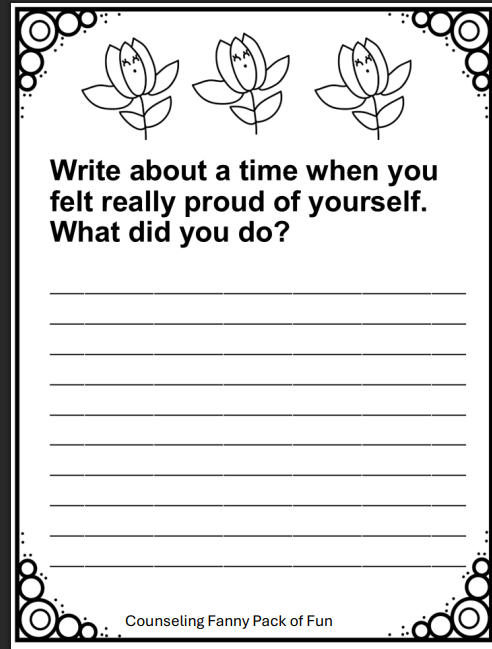
You can turn this into a discussion, writing activity, or group activity. In a counseling group, students can also practice giving one another specific and genuine positive feedback. The goal is not simply to say something nice, but to help students recognize qualities that they may not see in themselves. This writing activity prompt is from the Self-Esteem Girls Group 20-Weeks of Journal Prompts. While a writing prompt should be the only activity in your counseling session, adding in some reflection activities can help students to practice thinking about their accomplishments and strengths.
After students identify their strengths, encourage them to share one or two that they are most proud of. Some students may initially say that they do not have any strengths. When this happens, gentle follow-up questions such as, “What do your friends come to you for?” or “What is something you have worked hard to improve?” can help students think beyond traditional academic or athletic abilities.
Activity 2: Strengths From Others
Students with low self-esteem often have an easier time recognizing positive qualities when they hear them from someone else. For this activity, ask students to think about what a friend, family member, teacher, or trusted adult might say is special or positive about them.
For example, a student may learn that others see them as a loyal friend, a good listener, or someone who makes others laugh. These moments can be especially meaningful for students whose negative self-talk has made it difficult to recognize their own positive qualities.
Activity 3: The “I Am” Activity
The “I Am” activity gives students a simple structure for exploring who they are beyond their challenges or mistakes. Provide prompts such as:
- I am proud that…
- I am good at…
- I am someone who…
- One thing that makes me unique is…
- I have worked hard to…
- I am learning to…
Younger students may enjoy drawing their responses, while older students may benefit from expanding on their answers through writing or discussion. This activity can also be revisited over time so students can see how their view of themselves changes and grows. An easier version for younger students is the “All About me” activity. This helps students think about what they like and helps them practice sharing with the counseling group a little about themselves, which can build confidence.

Activities for Challenging Negative Self-Talk
Students with low self-esteem often have a very active inner critic. They may quickly assume that they are not good enough, compare themselves to others, or focus on their mistakes while overlooking their successes. Helping students recognize these patterns is an important step toward developing healthier and more balanced thinking.
Activity 4: Catching Negative Thoughts
Begin by helping students understand that everyone has negative thoughts from time to time. The goal is not to pretend that difficult thoughts never happen. Instead, students can learn to notice when a thought is overly negative, unfair, or unhelpful.
Ask students to identify some of the negative thoughts they say to themselves when they make a mistake, struggle with schoolwork, have a conflict with a friend, or compare themselves to others. Examples might include, “I’m so stupid,” “Nobody likes me,” or “I can’t do anything right.”
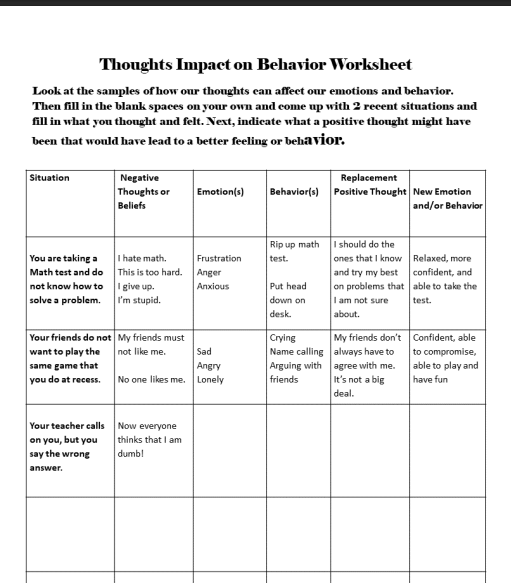
I use this worksheet, Thoughts Impact our Behavior Worksheet often. While it’s not often the activity for week 1, I think that it really hits home with helping students understand how their negative thinking patterns impact their feelings and behaviors.
You can introduce the idea of Automatic Negative Thoughts, or “ANTs,” to help students understand how quickly these thoughts can appear. I often introduce this topic Once students can identify a negative thought, they are better able to pause and consider whether the thought is completely accurate or whether there may be another way to look at the situation. Here’s the YouTube video that is great for teaching kids about “ANTs”.
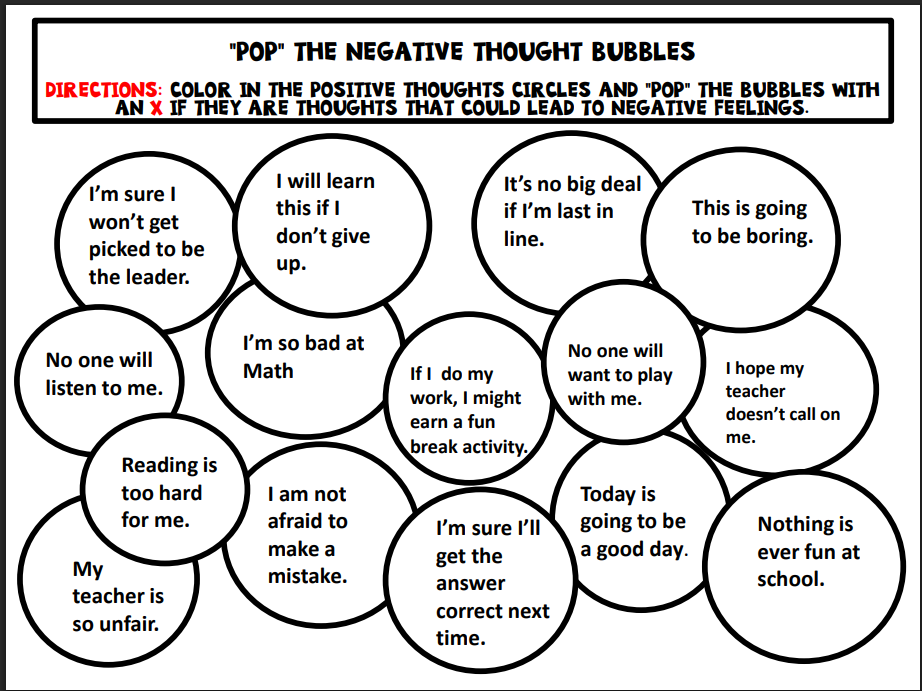
Activity 5: Pop the Negative Talk
This activity gives students a fun and memorable way to practice letting go of negative self-talk. Students first identify common negative statements they tell themselves. They can then “pop” the negative thought and practice replacing it with a more helpful and realistic statement.
For example:
“I always mess everything up.”
can become:
“I made a mistake, but everyone makes mistakes. I can learn from it and try again.”
The key is to help students replace harsh negative statements with thoughts they can genuinely believe. Statements do not need to be unrealistically positive to be helpful. A more balanced thought can often feel more believable and useful to a student. This worksheet “Pop” the Negative Thought Bubbles is part of the Cognitive Behavioral Therapy activity packet.
Activity 6: Games That Build Positive Self-Talk
Once students begin recognizing negative self-talk, they can also practice developing a more encouraging inner voice. Many students are much kinder to their friends than they are to themselves. These activities help students practice using the same encouragement, patience, and understanding with themselves that they might naturally offer someone else.
Self-Esteem and Positive Thinking Counseling Games

One of the easiest ways to help students work on self-esteem is to make the counseling activity fun, interactive, and conversational. Games give students an opportunity to talk about difficult topics without feeling like they are sitting through a lecture or being asked to answer a series of serious questions.
I’ve created several games that I use to help students practice positive thinking, confidence, emotional regulation, growth mindset, and self-esteem. They work especially well in individual counseling and small groups because the game creates natural opportunities for discussion.
The three games include:
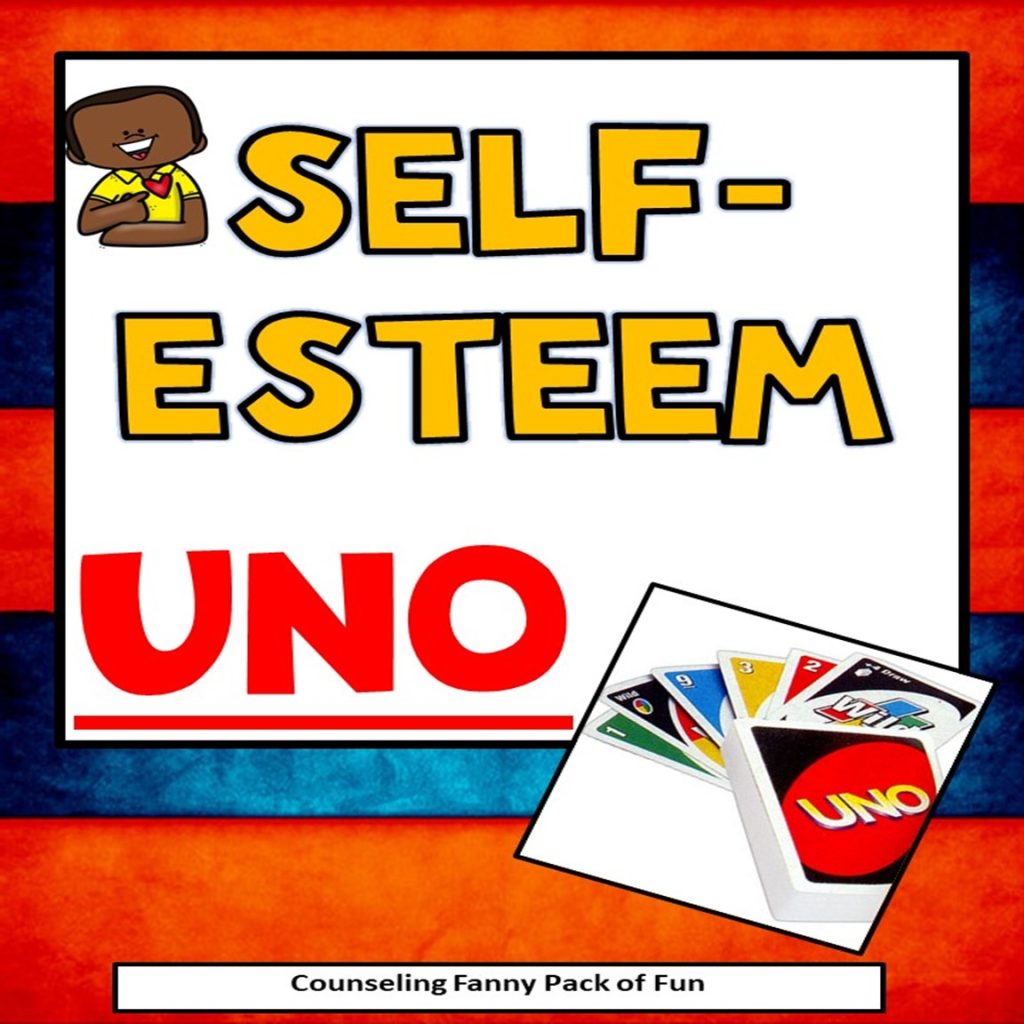
- Self-Esteem UNO – Use a familiar card game to get students talking about their strengths, feelings, confidence, and positive self-talk.
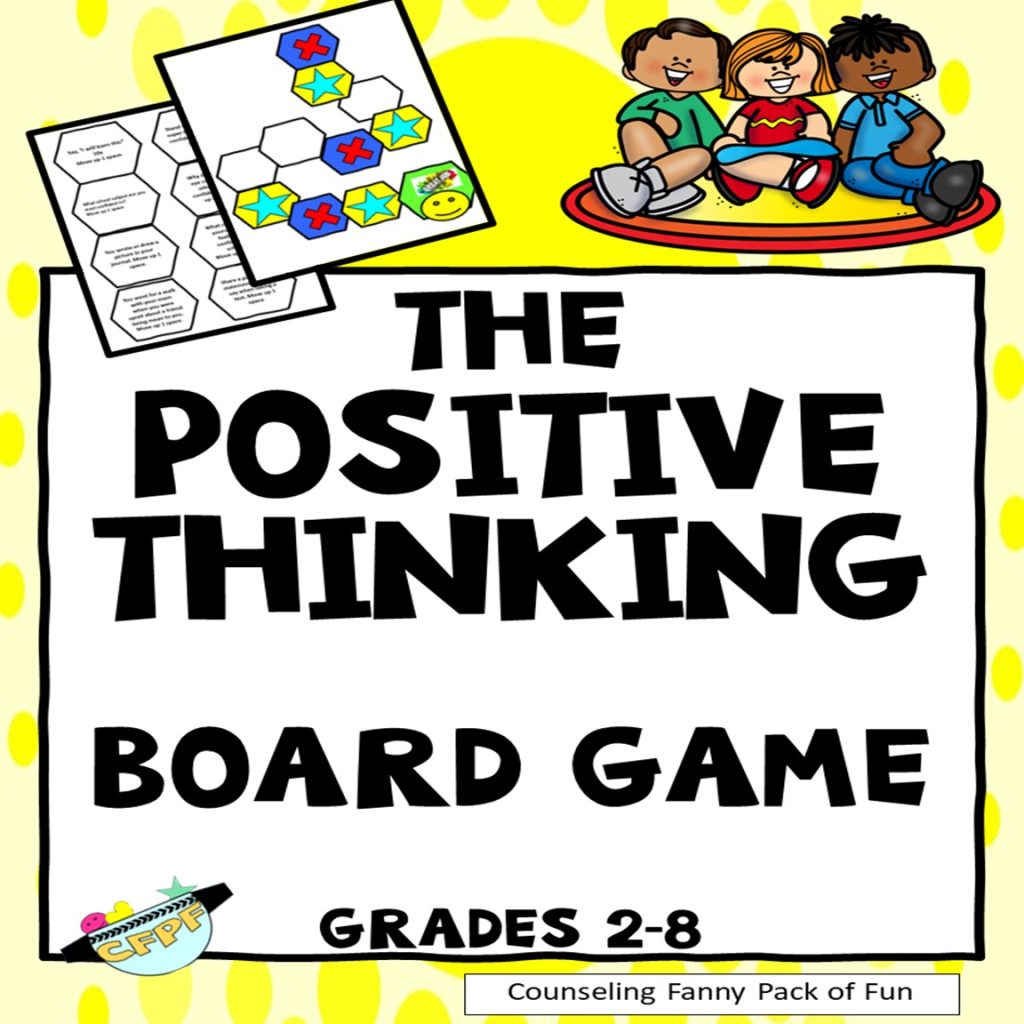
- Positive Thinking Board Game – Help students recognize negative thinking patterns and practice replacing them with more positive and productive thoughts.
- Self-Esteem Jenga – Turn a familiar game into an engaging counseling activity with questions, challenges, and positive-thinking prompts.
These games can be adapted for different ages and ability levels. You can have students answer the questions verbally, write their responses, or discuss their answers with the group.
Positive Thinking Board Game
The Positive Thinking Board Game is a fun way to help students recognize negative thinking patterns and develop healthier ways of thinking.
I originally created this activity for students who were struggling with low self-esteem, anxiety, depression, emotional regulation, or negative thinking. It works particularly well in individual counseling or small groups for students in approximately grades 2–8.
Rather than simply telling students to “think positively,” the game gives them opportunities to identify negative thoughts, consider alternative ways of thinking, and practice a growth mindset.
How to Play
- Have each player roll the dice. The player with the highest number goes first. Play continues clockwise around the board.
- When a player lands on a star, they choose a hexagon card and answer the question or respond to the positive-thinking prompt.
- When a player lands on an X, they choose a square card addressing a negative thought, negative thinking pattern, or negative behavior.
- Encourage students to explain their answers rather than simply giving a one-word response. This can turn the game into a natural counseling conversation.
- If a player is instructed to move forward or backward, their turn is finished. They do not need to draw another card.
- Continue playing until all players reach the end of the game.
What Students Practice
As students play, they are practicing skills such as:
- Recognizing negative self-talk
- Challenging negative thoughts
- Using positive self-talk
- Developing a growth mindset
- Identifying personal strengths
- Problem-solving
- Asking for help
- Building confidence
- Making positive choices
- Understanding how thoughts can affect feelings and behavior
Picture placement: Insert a photo of the Positive Thinking Board Game board and cards here.
Product link: Add your product link here.
Self-Esteem Jenga
Self-Esteem Jenga takes a familiar game and turns it into an easy, hands-on counseling activity.

Students often open up more when they are doing something with their hands. Instead of sitting across from a counselor and being asked questions about their confidence or self-esteem, students can pull a Jenga block, answer a question, complete a challenge, and keep playing.
This makes Self-Esteem Jenga especially useful for students who are reluctant to talk during counseling.
The prompts are designed to encourage students to think about their strengths, accomplishments, friendships, confidence, growth mindset, problem-solving skills, and positive self-talk.
Sample Self-Esteem Jenga Prompts
Here are some of the types of questions and challenges included:
Building Confidence
- What does it mean to have confidence?
- What is your best school subject?
- What are two things you are good at that are not related to school?
- What are you good at doing on the computer?
- What game or exercise are you good at doing during PE or lunch?
Growth Mindset
- What does having a “growth mindset” mean to you?
- What is a challenge that you have overcome this month?
- What can you do if you don’t understand how to do your work?
- Why is it good to ask for help when you don’t understand something?
Positive Self-Talk
- Change this statement into a positive one: “I am not good at reading.”
- Why is positive thinking important for improving how we feel about ourselves?
- What activity makes you feel better when you are feeling sad?
Friendships & Relationships
- What makes you a good friend to others?
- What are two qualities that make someone a good friend?
- How can choosing good friends improve your self-esteem?
- Who helps you feel better at school or at home when you aren’t feeling confident?
Fun Confidence-Building Challenges
- Flex your arm muscles and say, “I am strong!”
- Pretend you are a superhero and show us your superhero pose.
Some prompts also give counselors an opportunity to address school behaviors and coping strategies, such as asking for help, responding appropriately when work feels difficult, and handling frustration.
Picture placement: Insert several pictures of the Self-Esteem Jenga blocks, prompt cards, and students playing the activity here.
Product link: Add your product link here.
Self-Esteem UNO
Self-Esteem UNO combines one of the most familiar children’s card games with questions designed to help students talk about themselves in a positive way.
This is especially helpful because students already know how to play UNO, so you can spend less time explaining the activity and more time having meaningful conversations.
As students play, the cards provide natural opportunities to discuss strengths, confidence, positive self-talk, emotions, friendships, coping skills, and personal accomplishments.
You can use Self-Esteem UNO during:
- Individual counseling sessions
- Small-group counseling
- Lunch groups
- Social-emotional learning activities
- Classroom lessons
- Check-ins with students
- Beginning-of-year relationship building
- Follow-up counseling sessions
The familiar game format also makes it easy to adjust the activity based on the student. With younger students, you might focus on simple strengths and positive statements. With older students, you can use the cards to have deeper conversations about self-esteem, negative thinking, comparison, confidence, and overcoming challenges.
5. Positive Affirmation & Coloring Activities
Not every counseling activity needs to involve talking.
Sometimes children need an opportunity to slow down, create something, and absorb a positive message without having to answer a lot of questions. Coloring and art activities can be particularly helpful for students who are quiet, hesitant to participate in counseling, or simply need a calming activity after a difficult day.
I’ve created several coloring and positive affirmation activities that combine self-esteem building, positive self-talk, mindfulness, and emotional regulation. These activities can be used during individual counseling, small groups, classroom SEL lessons, or as a calming activity students can take home.
The goal isn’t just to have students color a pretty picture. The goal is to give them repeated opportunities to see, say, think about, and create positive messages about themselves.
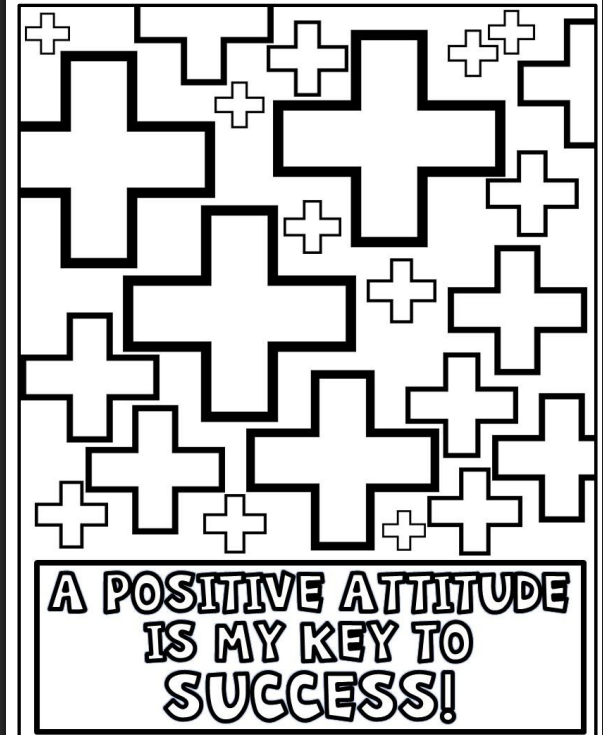
Positive Affirmations & Mindfulness Coloring for Kids
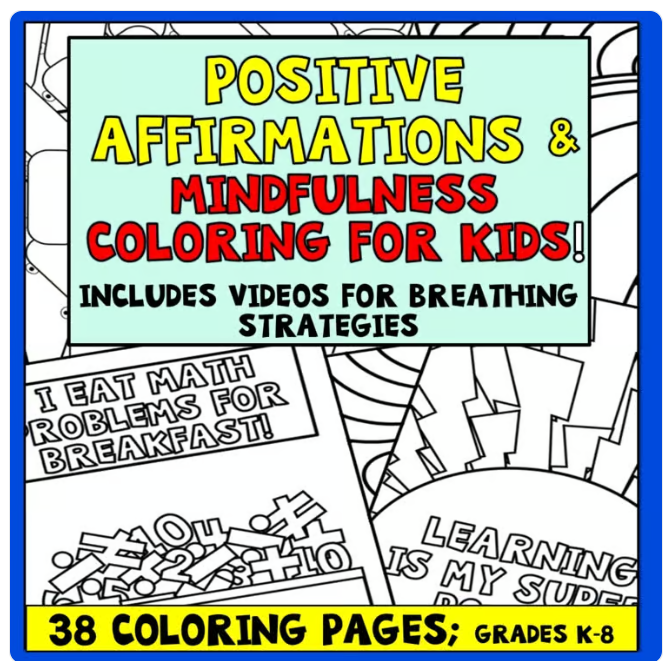
Positive Affirmations & Mindfulness Coloring for Kids combines coloring with mindfulness and breathing strategies to create a calming activity that students can use when they need to regulate their emotions.
The 38 coloring activities are designed for children approximately ages 5–13 and include positive affirmations, calming scenes, and kid-friendly breathing exercises.
The illustrations feature gender-neutral themes that appeal to a wide variety of students, including sailing, camping, surfing, skateboarding, hiking, and nature.
What makes this activity especially useful for counseling is that students aren’t just coloring—they are also learning concrete strategies they can use when they feel worried, overwhelmed, frustrated, angry, or emotionally dysregulated.
Breathing Strategies + Coloring
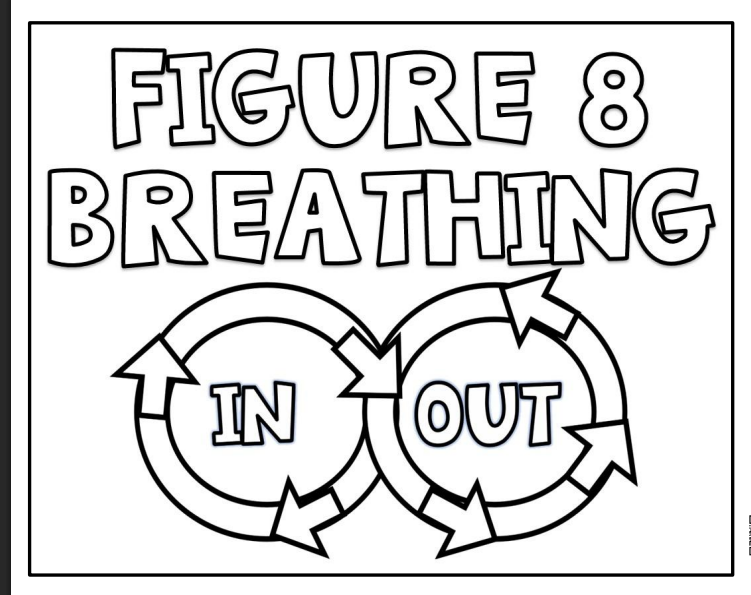
Several of the pages introduce simple breathing strategies that students can practice while they color, including:
- Square breathing
- Figure 8 breathing
- Five-finger breathing
- Other simple calming and mindfulness strategies
Many pages also include QR codes that link to short, kid-friendly breathing videos, allowing students to see and practice the strategy along with the coloring activity.
This gives counselors an easy way to introduce a breathing strategy and then provide students with something they can continue practicing independently.
Picture placement: Insert several pictures showing the different Positive Affirmations & Mindfulness Coloring pages, especially one or two breathing strategy pages and a few of the positive affirmation designs.
50 Positive Affirmations Art Activity
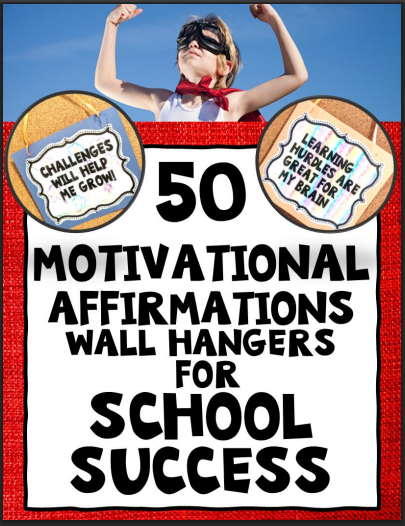
Another simple activity I use to reinforce positive thinking is a Positive Affirmations Art Activity.
This activity is particularly useful because students don’t just read an affirmation—they create something they can keep and display.
The activity includes 50 positive statements designed to encourage students to think about their strengths, abilities, effort, and potential. It can be used with individual students, small counseling groups, or as a Tier 1 SEL activity with an entire classroom.
How to Use the Activity
The activity is simple:
- Print the positive affirmation pages.
- Have students color their chosen affirmations.
- Students cut out the affirmations.
- Glue them onto construction paper or cardstock.
- Punch two small holes at the top.
- Add string so the finished affirmation can be displayed.
Students can hang their completed artwork in the classroom, counseling office, bedroom, or another place where they will see the positive message regularly.
This is a great way to turn a counseling lesson into something that continues working long after the counseling session is over.
Why Positive Affirmations Matter
For students with low self-esteem, positive affirmations can provide a starting point for changing the way they talk to themselves.
A student who frequently thinks:
“I’m not good at this.”
can begin practicing:
“I can improve with practice.”
A student who thinks:
“I always mess up.”
can begin replacing that thought with:
“Making mistakes helps me learn.”
The goal isn’t to convince students that everything is perfect. Instead, positive affirmations help students develop more balanced, encouraging, and growth-oriented self-talk.
When students repeatedly see and practice these messages, they have more opportunities to internalize the idea that their abilities can grow, mistakes are part of learning, and they have strengths worth recognizing.
Need LOTS of Activities and Variety for your Counseling Groups for kids K-8?
Check out this Giant BUNDLE!