If you’re a school psychologist, then I really do feel for you. It’s one of those thankless jobs in education where the lack of recognition can sometimes feel almost comical. If you’ve ever been overlooked on Teacher Appreciation Day—or even Counselor Appreciation Day—then you know exactly what I’m talking about.
School psychologists are often the unsung heroes of the public school system. We’re expected to be experts in everything: assessment, counseling, behavior intervention, consultation, special education law, crisis response, and more. But if you’re like me, it takes years—sometimes even half a career—to truly feel confident in all aspects of the job.
The Many Hats School Psychologists Wear
If you’ve been covering multiple school sites, working late nights on psychoeducational reports, and solving behavior mysteries on a daily basis, then you’re doing an amazing job.
Like many school psychologists, I spent countless evenings working on my couch, often sacrificing Thanksgiving breaks, Spring Break vacations, and weekends just to keep up with deadlines.
For many school psychologists, the hardest part of the job is the never-ending list of deadlines. For me, however, one of the biggest challenges used to be planning effective counseling groups. Once I solved that hurdle by creating my own counseling activities and curricula to keep students engaged while building important skills, my next obstacle became navigating challenging personalities.
Education has become increasingly political. At some school sites, the RSP teacher seemed determined to throw me under the bus. At others, the speech pathologist ruled the roost. Learning how to navigate difficult workplace dynamics became just as important as learning how to interpret assessment results.
How AI Has Transformed My Report Writing Process
So what have I done to survive?
When it comes to the mountain of report writing, one of the biggest game-changers for me has been using the AI platform BastionGPT.
Yes, I stared the future in the face and ripped off the Band-Aid—and it has been life-changing.
Reports that once took me 10 hours to write can now often be completed in half the time, and sometimes even less. The learning curve was real, and there was plenty of trial and error in the beginning. However, as I’ve become more comfortable using AI to assist with educational history summaries, observations, rating scale analysis, and cognitive testing interpretations, I’ve significantly reduced the amount of time and stress associated with report writing.
I started using the platform in the fall of 2024 and haven’t looked back. The time savings alone have improved my quality of life as a school psychologist.
If you’d like to learn more about using BastionGPT, which is HIPAA- and FERPA-compliant, check out my videos or try a free trial. Your future school psychologist self may thank you. I only use the $20 a month plan, but if you click on this link you can try it for free for 30 days.
Leaving a Toxic School Psychology Position
What else did I do to improve my quality of school psychologist life?
My story may be different from yours, but I was literally bullied by coworkers and a principal for an entire school year. After years of feeling unsupported by my Special Education Director and other supervisors, I finally decided to make a change.
I quit.
Well, kind of.
I left my district and found a better one.
Changing districts is one of the hardest decisions a school psychologist can make. While I was dealing with difficult people, I was also leaving behind many colleagues I genuinely enjoyed working with—people I had known for over a decade.
But when an opportunity arose, I didn’t hesitate, even though it was the middle of the school year.
Looking back, it was one of the best professional decisions I’ve ever made.
How Becoming a Licensed Educational Psychologist Changed My Career
Before making the switch, I didn’t act without a backup plan.
The year I experienced workplace bullying, I also experienced intense anxiety. I wasn’t sleeping well. I took days off because stress-related chest pain made it difficult to function. Important IEP meetings loomed over me while I struggled to manage the emotional toll of the situation.
But instead of allowing that experience to defeat me, I used it as motivation.
I finally pursued something I had been putting off for years: earning my Licensed Educational Psychologist (LEP) credential.
It wasn’t easy. Preparing for the exam required weeks of studying and a level of commitment I hadn’t experienced since graduate school. But I was determined.
And yes—I passed on my first attempt.
At the time, it felt like my future depended on it.
Starting a Private Practice While Working Full-Time
After obtaining my license, I spent months building my private practice.
Fortunately, I already had this website and my counseling products business, which gave me a head start. I also had support with the technical side of maintaining a website.
I started my private practice while continuing to work full-time as a school psychologist. By February, I had my first few clients.
Since then, my business has steadily grown. Ironically, I’m back to working weekends—but now I’m working on my business rather than catching up on district reports.
And honestly, it feels very different.
Building something of your own can be incredibly rewarding.
Advice for Burned-Out School Psychologists
If you feel like you’re hanging on by a thread as a school psychologist, here’s my advice:
First, embrace AI. Learning how to responsibly use AI tools for report writing can dramatically reduce the number of hours you spend typing reports after your official workday ends.
Second, find a side hustle or creative outlet.
It doesn’t have to be related to school psychology. For me, I love creating counseling products, writing books, blogging, and conducting private psychoeducational evaluations. For someone else, it might be selling products on Etsy or eBay, starting a YouTube channel, teaching a skill, or creating digital resources.
I personally enjoy creative outlets that also generate income because school psychology is not always a particularly creative profession. Having an outlet where you can build, create, and express yourself can be incredibly fulfilling.
Most importantly, find something outside of your school psychology role that keeps you inspired and motivated. Whether it’s a business, a hobby, or a passion project, having something else to focus on can help buffer the stress that often comes with working in education.
After nearly two decades in this field, I’ve learned that surviving as a school psychologist isn’t just about managing reports and deadlines. It’s about protecting your mental health, building a life outside of work, and creating opportunities that give you options.
Because when you have options, you have freedom—and that’s something every school psychologist deserves. Especially YOU!
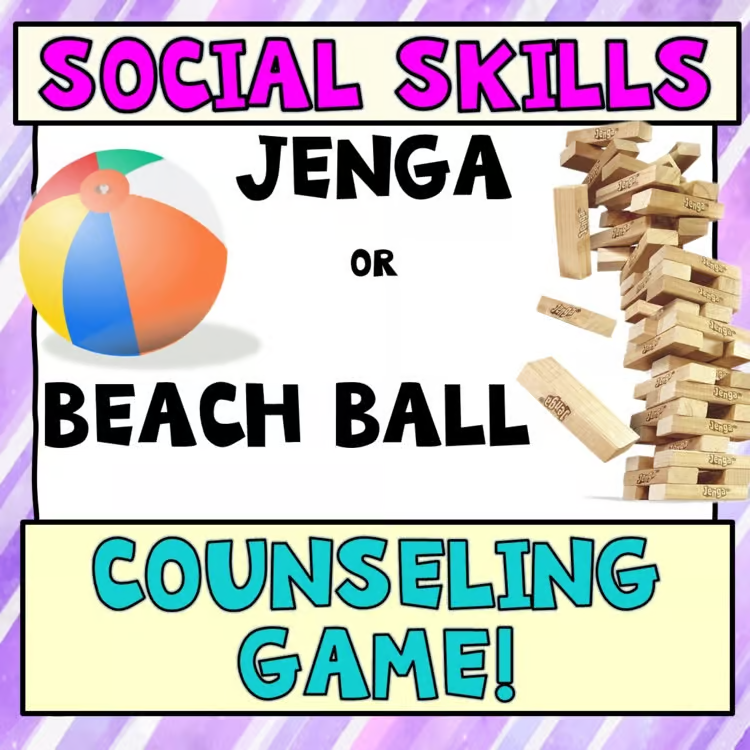
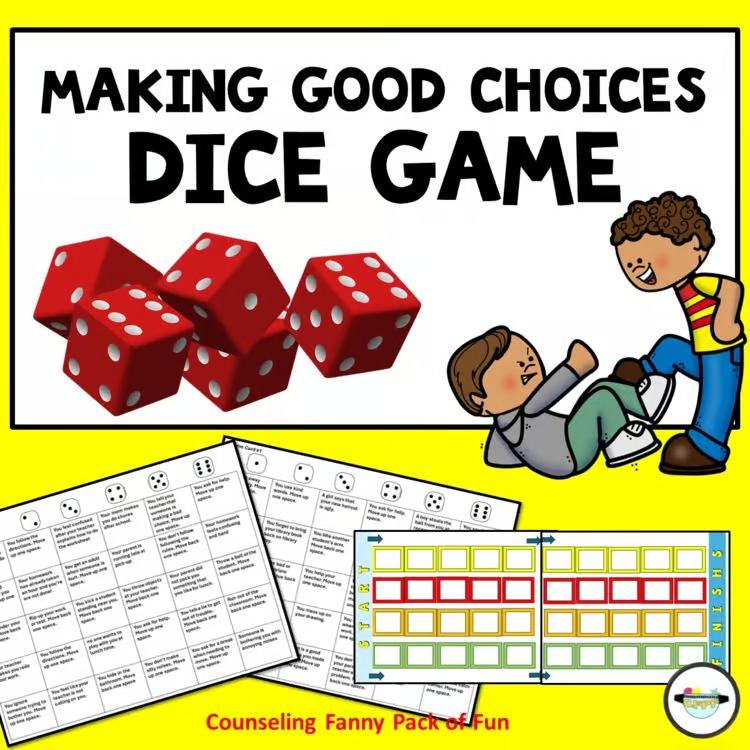
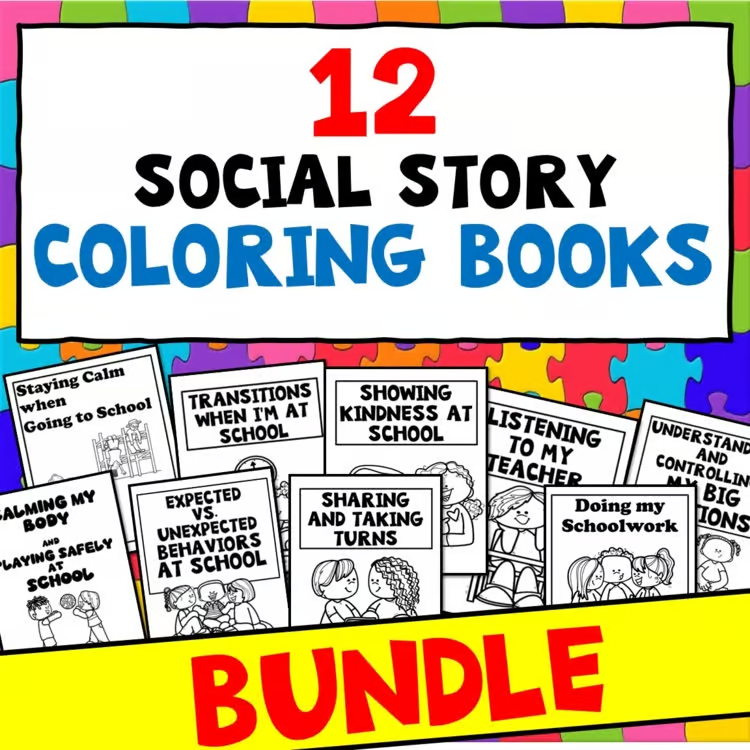
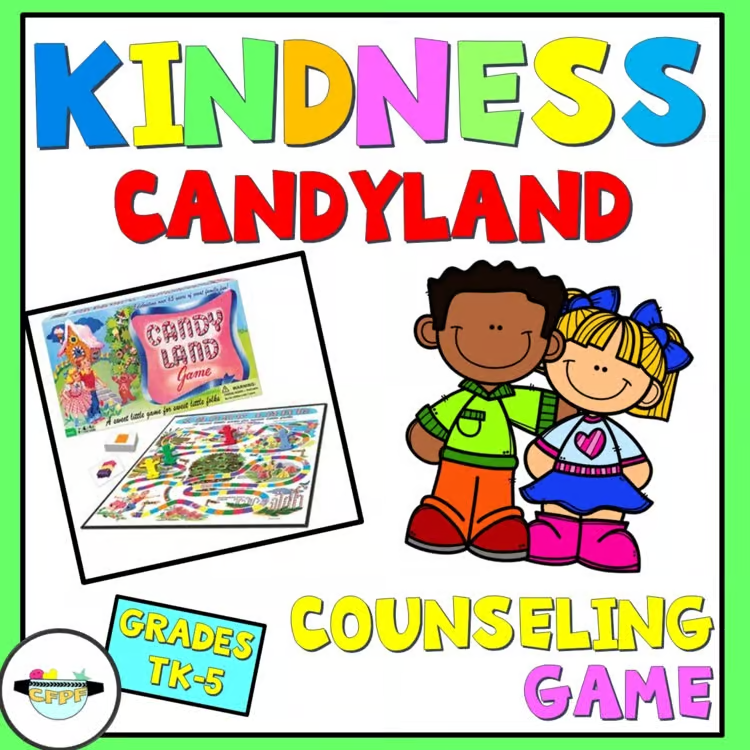
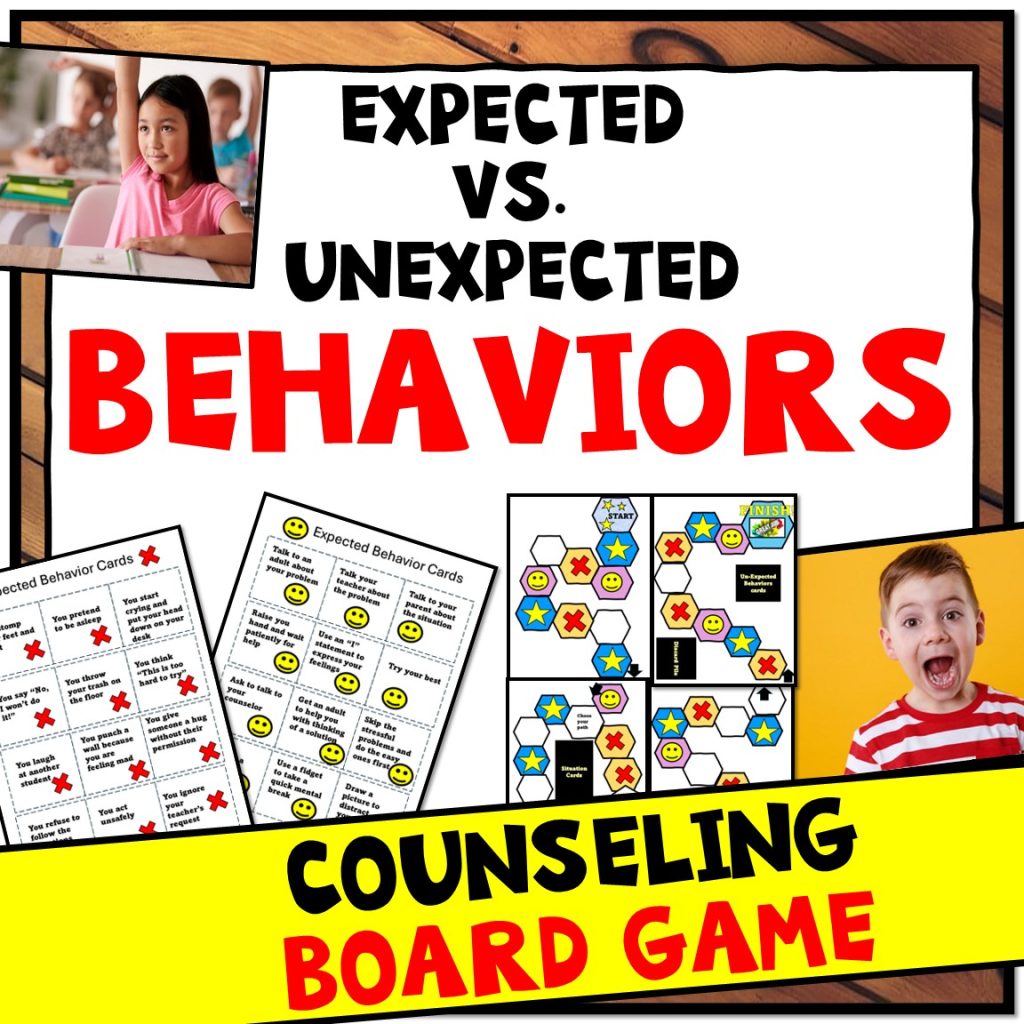
If you are in need of fun and easy counseling games, social stories, and SEL materials, please check out my store in TpT, Counseling Fanny Pack of Fun. Kids can have fun, while meeting their counseling goals, I promise!