

Affiliate Disclosure: As an Amazon Associate, I may earn from qualifying purchases at no additional cost to you.
Does Test Anxiety Make It Hard to Show What You Know?
Have you ever walked into a test feeling prepared, only to suddenly forget information you studied the night before? Maybe your heart starts racing, your hands get sweaty, or your mind goes completely blank.
If so, you’re not alone. Test anxiety affects millions of students each year, from elementary school students taking state assessments to college and graduate students preparing for high-stakes exams such as the SAT, ACT, LSAT, MCAT, GRE, NCLEX, and professional licensing tests.
The good news is that test anxiety can be managed. While no product can eliminate anxiety entirely, the right tools can help students stay calmer, more focused, and better prepared.
As a school psychologist with more than 17 years of experience, I’ve worked with hundreds of students who struggled with test anxiety. Here are eight tools that can make a meaningful difference.
1. The Test Anxiety Tactics Workbook
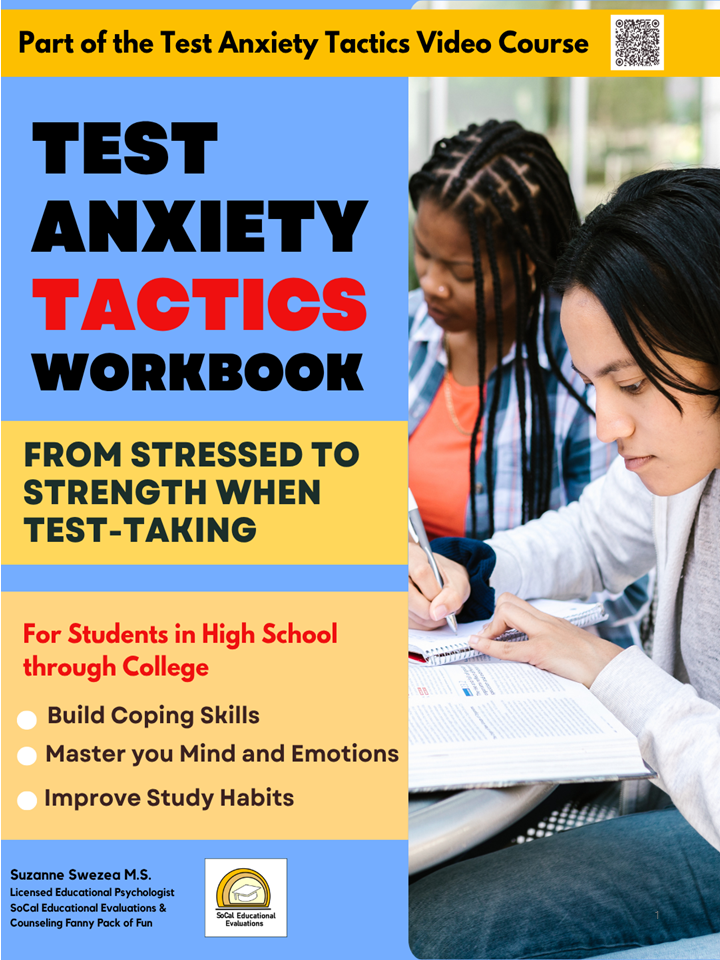
If you’re looking for a tool that addresses the root causes of test anxiety, start here.
Many students mistakenly believe they need to “try harder” or “stop worrying.” Unfortunately, anxiety doesn’t work that way. Students need specific skills and strategies to manage the physical, emotional, and mental symptoms that occur before and during tests.
The Test Anxiety Tactics Workbook teaches students how to:
- Recognize their unique anxiety triggers
- Understand what happens in the brain during anxiety
- Reduce negative self-talk
- Use evidence-based coping techniques
- Improve confidence and self-efficacy
- Develop personalized test-taking plans
- Practice relaxation and mindfulness exercises
One of the biggest benefits of the workbook is that it focuses on long-term skills rather than temporary fixes. Students learn strategies they can continue using throughout high school, college, graduate school, and their careers.
Many students find that simply understanding why they experience anxiety helps them feel more in control and less overwhelmed.
2. Noise-Canceling Headphones
For students who are easily distracted, noise can significantly increase stress levels while studying.
Noise-canceling headphones help create a controlled environment by reducing background distractions such as:
- Conversations
- Traffic noise
- Television sounds
- Household activity
- Roommates and siblings
When students can focus more effectively, they often retain information better and feel more prepared on test day.
An additional benefit is that many students associate putting on their headphones with entering “study mode.” Over time, this can create a mental cue that helps the brain transition into a focused state more quickly.
Better focus often leads to more efficient studying, which can reduce the anxiety that comes from feeling underprepared. You can wear them with or without using calming focus-music. My husband would always swear by studying to the music from the Nutcracker, and I prefer instrumental Reggae music, but your music choice is up to you of course.
Soundcore Q30 by Anker Noise-Canceling Headphones
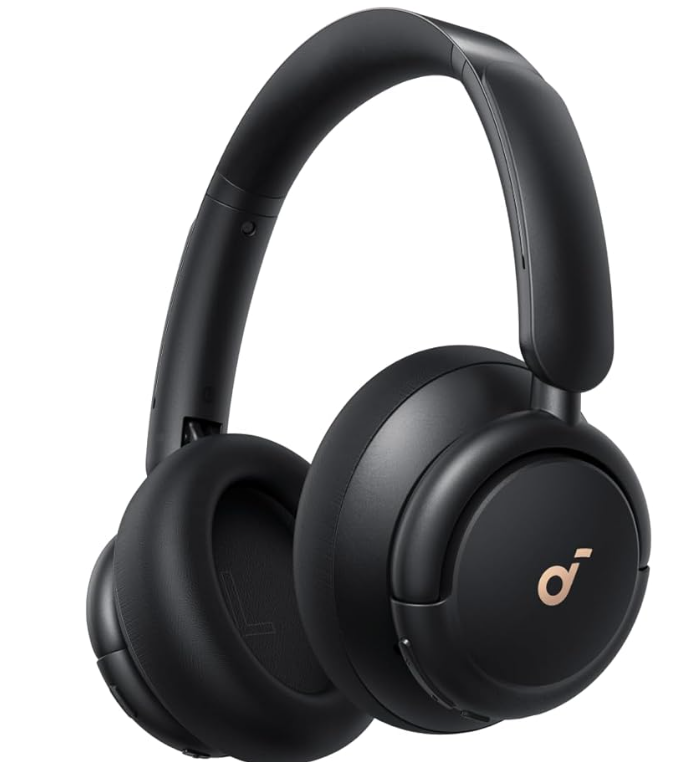
One of the most popular options for students is the Soundcore Q30 by Anker Hybrid Active Noise-Canceling Headphones. With more than 95,000 customer reviews on Amazon, these headphones have earned a strong reputation for helping users create a quieter, more focused study environment.
The Q30 features hybrid active noise cancellation with multiple listening modes, allowing students to reduce distractions from household noise, conversations, traffic, or busy coffee shops. This can be especially helpful for students who find that environmental distractions increase their stress levels while studying.
Students also appreciate the comfortable over-ear design, which makes it easier to wear the headphones during long study sessions. With up to 50 hours of playtime, they can last through multiple days of studying without needing frequent charging. The customizable EQ settings available through the companion app allow users to adjust the sound profile to their preferences, whether they are listening to calming music, white noise, or recorded lectures.
For students with test anxiety, creating a focused study environment can help increase productivity, improve information retention, and build confidence before an exam. The Soundcore Q30 offers an affordable way to reduce distractions and stay engaged with study materials, making it one of the most highly reviewed study tools available on Amazon.
3. A Visual Timer
Time pressure is one of the most common triggers for test anxiety.
Students frequently report worrying about questions such as:
- “What if I run out of time?”
- “Am I working too slowly?”
- “How much time do I have left?”
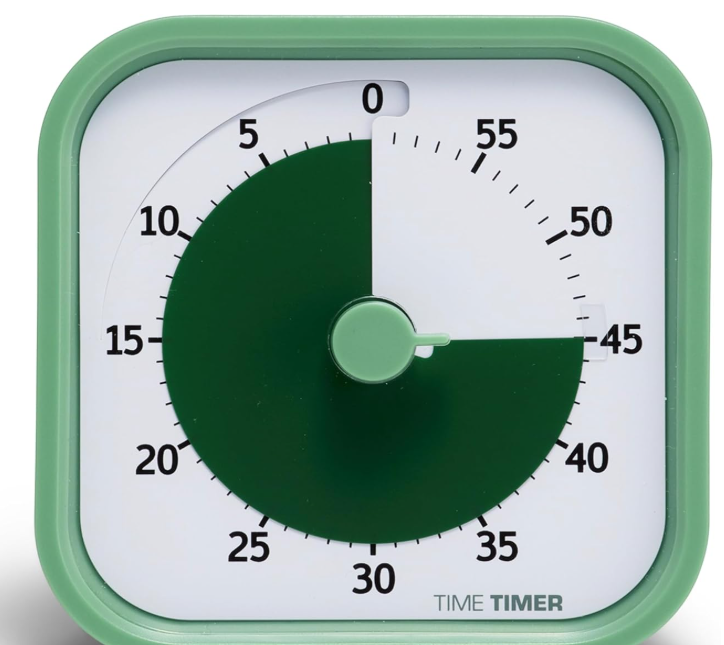
A visual timer allows students to see the passage of time without constantly checking a clock.
Benefits include:
- Improved time management skills
- Reduced panic during timed tasks
- Better pacing during practice tests
- Increased awareness of how long assignments actually take
When students regularly practice with timed conditions, tests begin to feel more familiar and predictable. Familiarity often reduces anxiety because the brain perceives the situation as less threatening.
The TIME TIMER Home MOD 60-Minute Visual Timer is an excellent tool for students who feel overwhelmed by timed assignments, homework sessions, or upcoming exams. Unlike traditional timers, the Time Timer uses a disappearing colored disk that allows students to visually see how much time remains, helping make abstract concepts like “30 minutes left” easier to understand.
Whether used for study sessions, practice tests, homework blocks, or scheduled breaks, the TIME TIMER Home MOD helps students stay focused and manage their time more effectively. Over time, this increased sense of control can lead to greater confidence and lower anxiety when facing timed exams.
4. Stress Balls and Fidget Tools
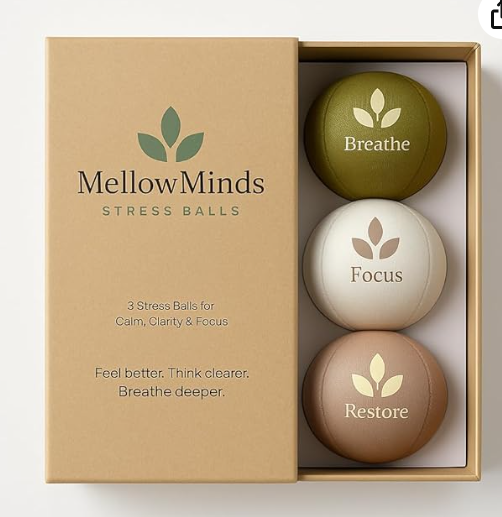
When anxiety rises, the body often becomes physically restless. This is where stress balls and fidgets can support anxiety, stress, and provide a sensory distraction.
Students may:
- Tap their feet
- Bounce their legs
- Crack their knuckles
- Fidget with pencils
- Twist their hair
Fidget tools provide a healthier outlet for nervous energy.
Research and classroom observations suggest that some students are able to concentrate better when they have a small, repetitive movement that helps regulate their nervous system.
Benefits may include:
- Reduced physical tension
- Improved attention
- Increased emotional regulation
- Better stress management during study sessions
Many students also report that squeezing a stress ball before a test helps release some of the nervous energy that builds up beforehand.
5. An Academic Planner
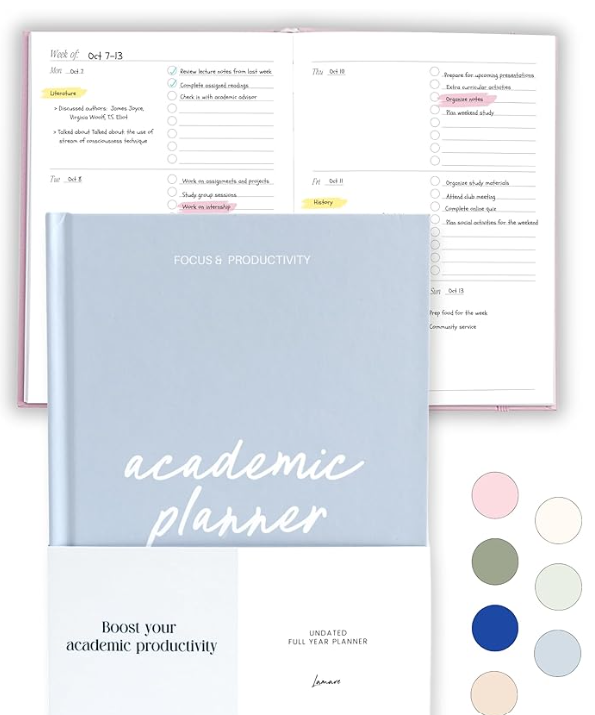
One major contributor to test anxiety is feeling overwhelmed. Students often know they need to study but aren’t sure where to start. As assignments pile up, anxiety increases.
A planner helps students create structure in their day, week, and month through supporting the all important executive functioning tool of organization by allowing them to:
- Track assignments
- Schedule study sessions
- Set goals
- Break large projects into manageable tasks
- Monitor upcoming exams
When students have a clear plan, they often feel more in control.
Control is important because uncertainty fuels anxiety. The more organized students become, the less mental energy they spend worrying about what they may have forgotten. This is especially true for students with ADHD or Anxiety.
Many students find that using a planner helps reduce procrastination, which is another major source of test-related stress. When I was in college, I used to have the strategy of putting due dates in my planner a few days early. That way, I was tricking my brain into reducing it’s desire to procrastinate until the last minute. Maybe you can try this strategy too if you like it?
I like this one, The Lamare Academic Planner 2026-2027 – Undated Weekly College Student Planner for Homeschool, High School, College & Nursing Students because it helps students break overwhelming academic responsibilities into manageable daily and weekly goals. The undated format means you can start using it at any time of the year without wasting pages, making it especially useful for students beginning a new semester or preparing for a major exam. I also appreciate that it provides dedicated space for tracking assignments, exams, study schedules, and priorities, which can reduce the uncertainty and last-minute cramming that often contribute to test anxiety. When students have a clear plan for what needs to be done and when, they tend to feel more organized, more prepared, and more confident going into exams.
6.Calming Scents to Promote Better Sleep
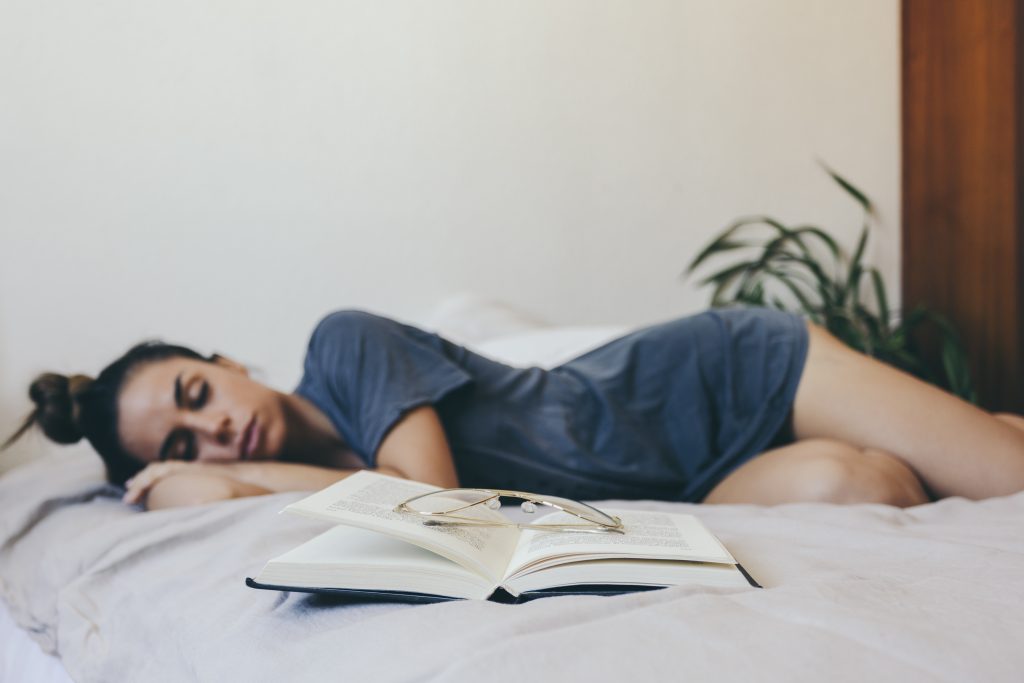
Getting a good night’s sleep before an exam is one of the most effective ways to reduce test anxiety. Yet many students find themselves lying awake the night before a big test, replaying study material, worrying about their performance, or struggling to quiet racing thoughts.
Creating a calming bedtime routine can help signal to your brain and body that it’s time to relax. One simple strategy is incorporating soothing scents known for their relaxing properties. Aromatherapy won’t magically eliminate anxiety, but it can help create an environment that supports restful sleep and relaxation.
One product I recommend is This Works Deep Sleep Pillow Spray with Lavender, Vetivert & Chamomile. This natural aromatherapy sleep mist combines three calming scents that are commonly used to promote relaxation and prepare the mind for sleep. Simply spray it lightly on your pillow or bedding as part of your nightly routine before an exam or during stressful study periods.
Potential benefits include:
- Creating a calming bedtime environment
- Supporting relaxation before sleep
- Helping establish a consistent nighttime routine
- Reducing pre-test stress and tension
- Promoting better sleep quality
- Encouraging a smoother transition from studying to rest
Many students underestimate the importance of sleep when preparing for exams. However, sleep plays a critical role in memory consolidation, concentration, problem-solving, and emotional regulation. When students are well-rested, they are often better able to recall information, stay focused during tests, and manage feelings of anxiety.
Adding a calming sleep spray like This Works Deep Sleep Pillow Spray to your evening routine can be a small but meaningful step toward better sleep and greater confidence on test day. After all, one of the best things you can do for your brain before an exam is to give it the rest it needs to perform at its best.
For more information on tips for getting better sleep when experiencing Test Anxiety, Read This.
7. Blue Light Blocking Glasses
7. Blue Light Blocking Glasses
Many students spend hours each day studying on laptops, tablets, and smartphones. While technology is an essential part of modern education, prolonged screen time can contribute to eye strain, headaches, fatigue, and difficulty winding down before bedtime—all of which can make test anxiety feel even more overwhelming.
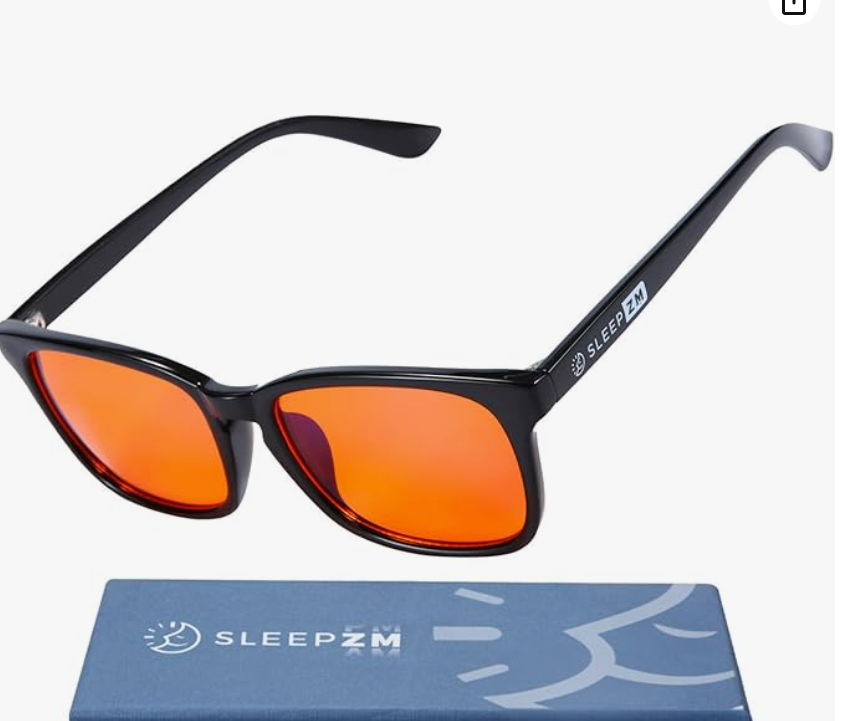
One option worth considering is the Sleep ZM Blue Light Blocking & Light Sensitivity Glasses. With more than 2,600 reviews on Amazon, these glasses are designed to help reduce exposure to blue light from screens and artificial lighting. What makes this product unique is that it offers eight different lens types designed for various needs, including screen use, light sensitivity, relaxation, and sleep support.
Potential benefits of blue light blocking glasses include:
- Reducing digital eye strain during long study sessions
- Helping minimize headaches caused by extended screen exposure
- Increasing comfort when reading or studying online
- Supporting healthier evening screen habits
- Helping students transition more easily from studying to bedtime
For students with test anxiety, sleep is often one of the first things affected. Many students spend the evening before an exam reviewing notes on their computer or phone, which can make it harder to fall asleep afterward. By reducing blue light exposure during evening study sessions, some students find it easier to relax and maintain a more consistent sleep schedule.
While blue light glasses are not a direct treatment for test anxiety, they can help address some of the physical factors—such as eye fatigue and disrupted sleep—that may contribute to increased stress and difficulty concentrating. Combined with healthy study habits and anxiety-management strategies, products like the Sleep ZM Blue Light Blocking Glasses can be a helpful addition to a student’s test preparation toolkit.
8. A Home Massager for Stress Relief and Relaxation
When students think about preparing for a test, they usually focus on studying—but they often overlook the physical effects of anxiety. Test anxiety doesn’t just affect your thoughts; it can also show up in the body as muscle tension, headaches, neck pain, shoulder tightness, and general feelings of stress.
One way to address these physical symptoms is by incorporating relaxation into your study routine. A home massager can help students unwind after a long day of studying and create a calmer mindset before an exam.
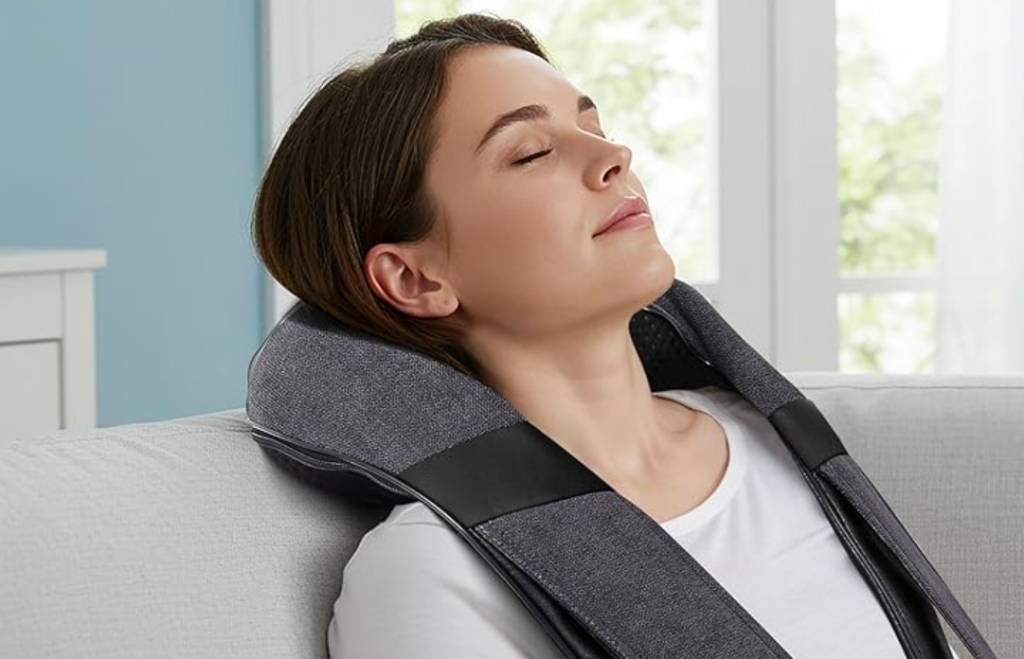
One product that our family has enjoyed is the Neck Massager for Pain Relief Deep Tissue, Electric Shiatsu Shoulder & Back Massager with Heat. In full disclosure, I actually purchased this as a Father’s Day gift for my husband last year. While we probably don’t use it as often as we should, it’s become a favorite in our household. Even my kids will occasionally ask to use it when they’re feeling tense, stressed, or simply need a few minutes to relax after a busy day.
The deep-tissue massage nodes and optional heat feature help loosen tight muscles in the neck, shoulders, and upper back—areas where many people tend to hold stress. For students who spend hours hunched over textbooks, laptops, or study materials, this can be especially helpful.
Potential benefits include:
- Reducing muscle tension caused by stress and anxiety
- Promoting relaxation after long study sessions
- Helping students decompress before bedtime
- Supporting a healthy self-care routine
- Encouraging better sleep quality
- Creating a calming transition between studying and rest
One thing I appreciate about this massager is that it encourages students and adults alike to take a break and focus on relaxation for a few minutes. When we’re anxious, our bodies often remain in a heightened state of alertness. Activities that help release physical tension can send signals to the brain that it’s safe to relax.
Of course, a massager isn’t a cure for test anxiety, but it can be a useful tool for managing the physical stress that often accompanies it. Combined with effective study habits, healthy sleep routines, and anxiety-management strategies, a relaxing massage can help students feel calmer, more comfortable, and better prepared for test day.
As someone who works with students struggling with test anxiety, I often remind them that managing stress isn’t just about what’s happening in your mind—it’s also about taking care of your body. Sometimes a few minutes of relaxation can make a bigger difference than students realize.
Why These Tools Work Best Together
Each of these tools addresses a different piece of the test anxiety puzzle.
Some help students stay organized. Others improve concentration. Some reduce physical symptoms of stress. And some teach long-term coping skills.
The most effective approach is often a combination of:
- Learning anxiety-management strategies
- Creating a productive study environment
- Practicing effective study habits
- Using tools that support focus and emotional regulation
That’s why I often recommend starting with the Test Anxiety Tactics Workbook or even the full Video Course as the foundation and then adding other tools that target your specific challenges and relieve some of the physical symptoms of anxiety, for a calmer you and a clearer, well rested, mind.
Final Thoughts
Test anxiety doesn’t mean you’re not smart. It doesn’t mean you didn’t study hard enough. It simply means that your body’s stress response is interfering with your ability to demonstrate what you know.
The right tools can help you regain a sense of control, build confidence, and approach tests with a calmer mindset.
Whether you’re preparing for a classroom quiz, college entrance exam, graduate school admissions test, or professional licensing exam, investing in your mental and emotional preparation can be just as important as studying the material itself.
Free Resource
Not sure whether test anxiety is affecting your performance?
Download my Free Test Anxiety Symptoms Checklist to identify common signs of test anxiety and learn the first steps toward overcoming it. You may be surprised to discover how many symptoms occur long before students ever sit down to take a test.