

If you’ve spent any time with children—as a parent, teacher, school counselor, school psychologist, or therapist—you know that big emotions can show up at any moment. One minute a child is happily working, and the next they’re overwhelmed by frustration, anxiety, disappointment, or anger. The challenge isn’t that children have these emotions—it’s that many of them simply haven’t been taught what to do with them.
After nearly two decades as a school psychologist, I’ve seen this firsthand. I’ve worked with hundreds of students who weren’t trying to be “difficult”—they just didn’t yet have the tools to calm their bodies, organize their thoughts, or express their feelings in healthy ways. The good news is that coping skills can be taught, and when they’re taught through play, discussion, and hands-on activities, children are much more likely to remember and use them when they need them most.
Whether you’re helping a student who struggles with anxiety before tests, a child who has frequent anger outbursts, or a student who simply needs more confidence managing everyday stress, teaching coping skills is one of the most valuable gifts you can give them. These skills help children recognize their emotions, regulate their reactions, solve problems, and build resilience that will benefit them long after childhood.
That’s why I’ve created a collection of fun, low-prep counseling activities that make social-emotional learning both engaging and meaningful. Below are 10+ of my favorite coping skills activities from my store that I’ve used with students over the years. They’re designed to get kids talking, practicing, and applying healthy coping strategies—all while having fun.
3 Printable “Board Games” to Teach Emotions and Coping Skills!
(Just click on pics to learn more about each activity!)


These affordable, printable board games make it easy—and fun—to teach students about emotions, self-regulation, and healthy coping skills. Each game includes simple discussion prompts and questions that encourage children to identify their feelings, explore different coping strategies, and practice choosing healthy responses to stressful situations. They’re a great way to spark meaningful conversations while building essential social-emotional learning (SEL) skills in an interactive, low-prep format.
Because these games are printable, they’re quick to prepare. Simply print the game boards, laminate them for durability, and you’ll have a reusable counseling resource that can be enjoyed for years.
Candyland Game
If you already own the classic Candy Land board game, you can easily use it with these activity cards. Don’t have the game? No problem! A printable “Color-Land” game board is included, allowing you to play the same way without purchasing the original game. Simply print, laminate, and you’re ready to help students learn valuable coping skills while having fun.
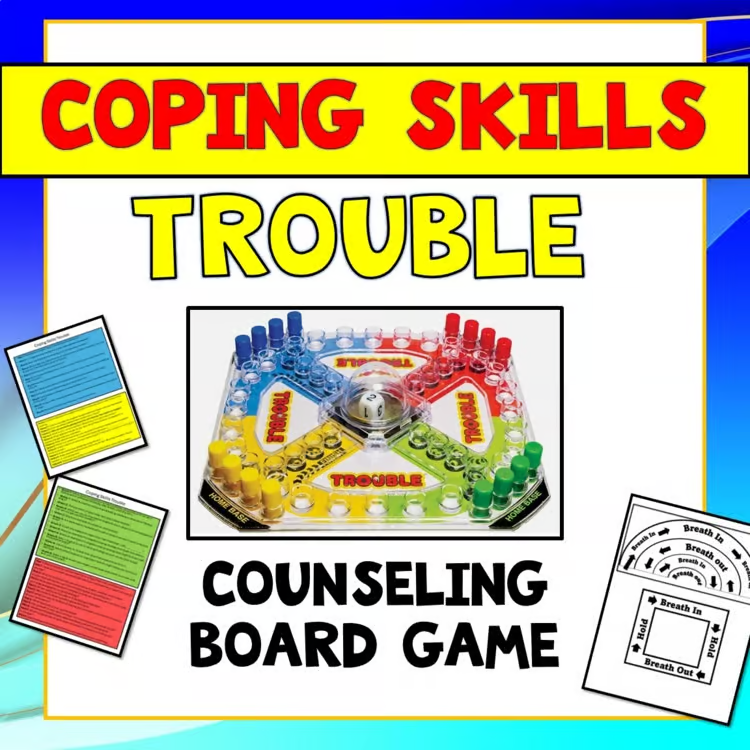
My newest game in my Coping Skills Counseling game collection using…TROUBLE!
If you have a Trouble Gameboard, I just created, (2026) a game for supporting teaching Coping skills with the game TROUBLE. My own children love this game, so I knew that it would make a good addition to my TpT store Counseling Fanny Pack of Fun. While this game is not yet on this website for sale, it can be purchased through the TpT website.
If these games look Fun and Easy to play with your students, just click HERE or on their pictures to learn more about or purchase each one!
Teaching Coping Skills with Size of Problems, Breathing, and Mindfulness Activities


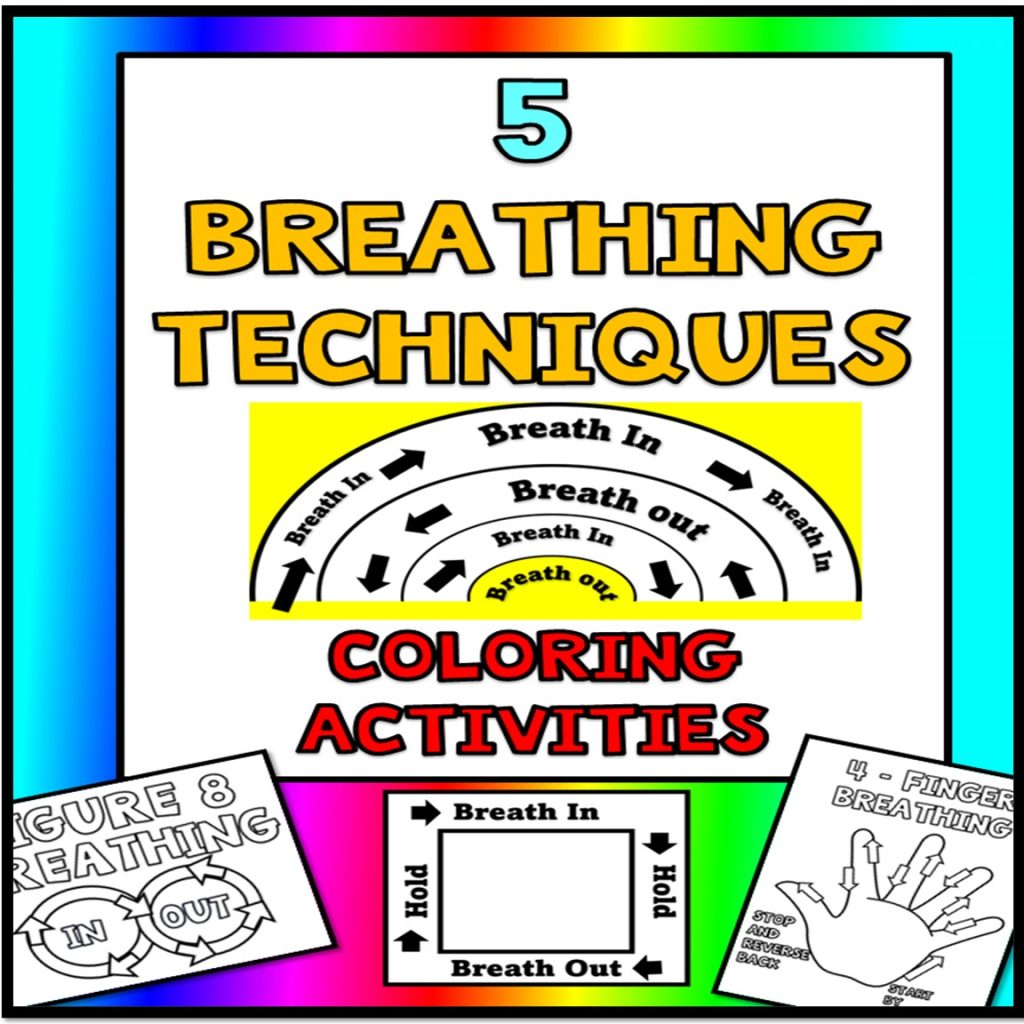
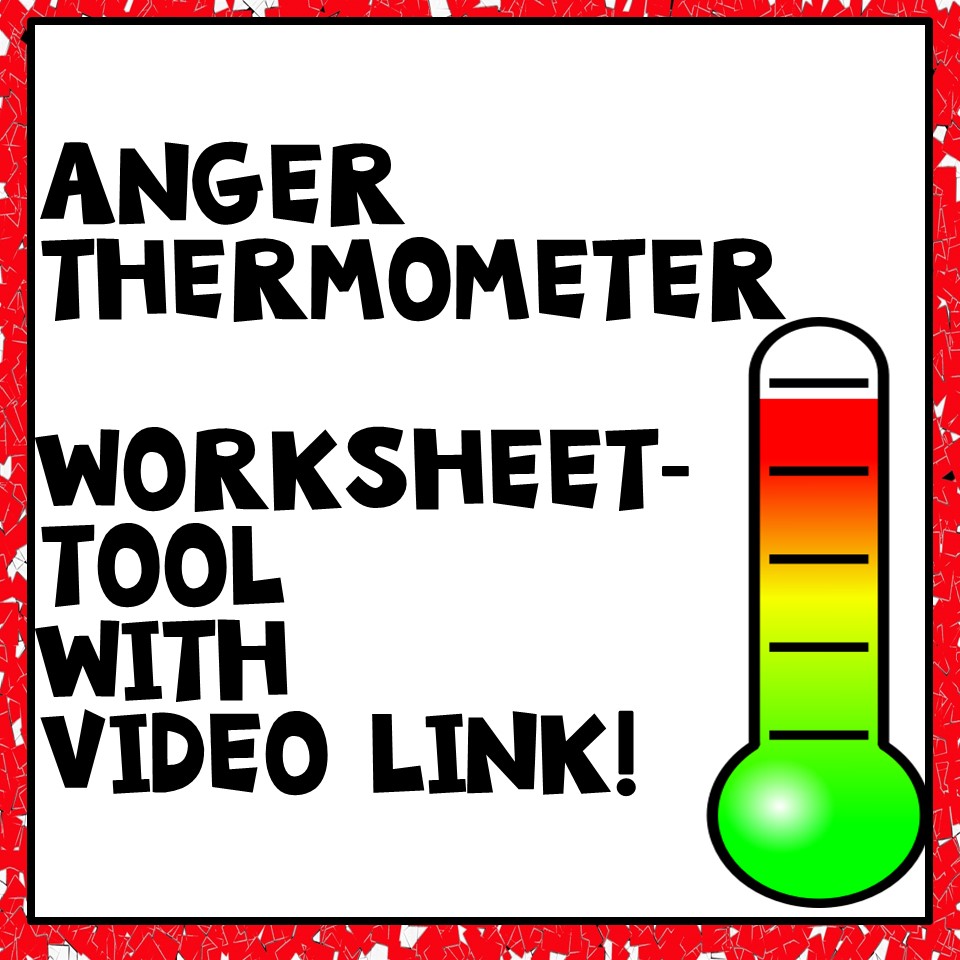
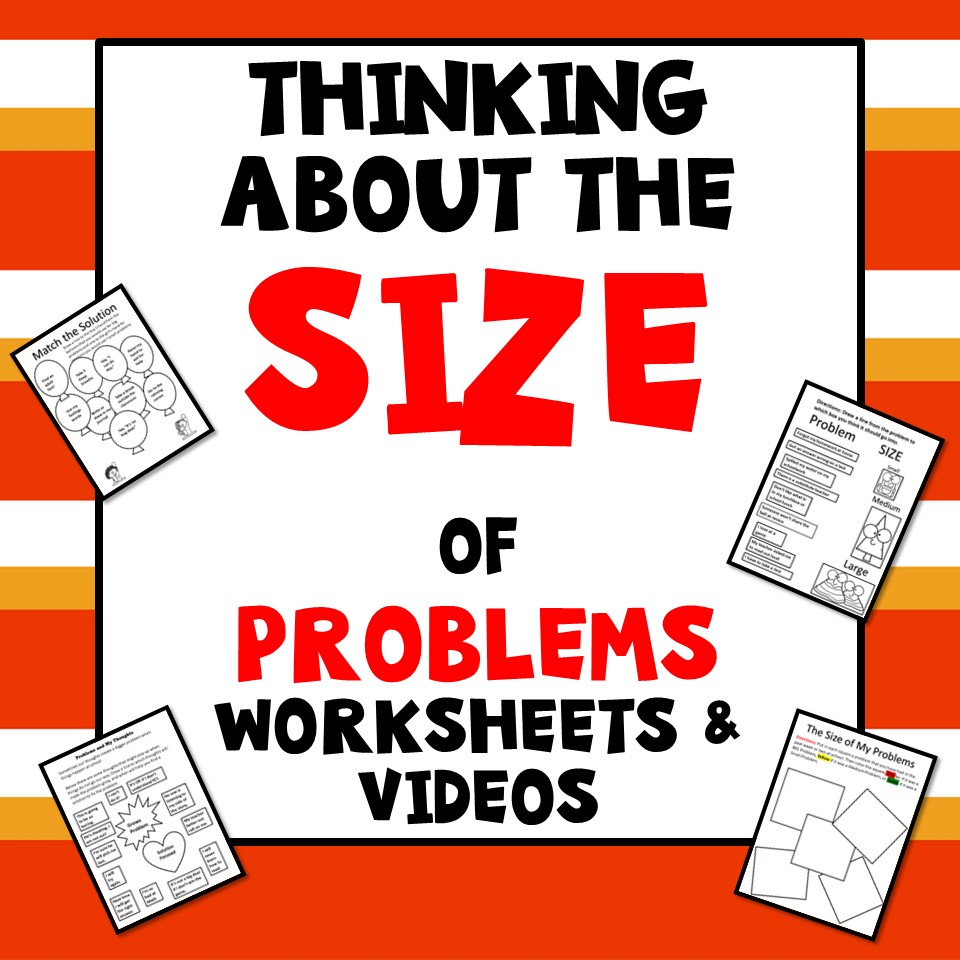
Teach Coping Skills with Size of Problems, Breathing, and Mindfulness Activities
Not every problem requires the same reaction, but that can be difficult for children to understand. Many students react to a broken pencil the same way they would react to failing a test or having a conflict with a friend. That’s why teaching children to pause, evaluate the situation, and choose an appropriate coping strategy is such an important life skill.
These printable activities help students build self-awareness, emotional regulation, and resilience through engaging, hands-on practice.
Size of Problems Worksheets
One of the first coping skills I teach students is understanding the size of a problem. When children can accurately identify whether they’re facing a small, medium, or big problem, they’re much more likely to respond appropriately instead of becoming overwhelmed.
The Size of Problems Worksheet Packet includes activities that help students:
- Identify the difference between small, medium, and big problems.
- Match the size of their reaction to the size of the problem.
- Practice flexible thinking and problem-solving.
- Discuss real-life scenarios and appropriate coping strategies.
This resource works especially well for students who struggle with emotional regulation, anxiety, frustration tolerance, or autism spectrum disorders.
Anger Thermometer Worksheet
The Anger Thermometer Worksheet helps children recognize that emotions build over time rather than appearing all at once. Students learn to identify the physical sensations, thoughts, and behaviors that occur as their anger increases.
By recognizing their personal warning signs early, children can use coping strategies before their emotions reach the “boiling point.”
This activity encourages students to:
- Identify their personal anger triggers.
- Recognize early body signals of frustration or anger.
- Rate the intensity of their emotions.
- Create a plan for calming down at each level of the thermometer.
Breathing Strategy Coloring Worksheet
Deep breathing is one of the easiest and most effective coping skills children can use anywhere—at school, at home, or in the community. However, simply telling students to “take a deep breath” usually isn’t enough. They need repeated opportunities to practice the skill when they’re calm so it becomes automatic during stressful moments.
The Breathing Strategy Coloring Worksheet combines creativity with social-emotional learning by allowing students to color while learning several calming breathing techniques. As they color, students naturally slow their bodies and practice mindful breathing in a relaxed, enjoyable way.
Mindfulness Coloring with Positive Affirmations
Mindfulness helps children focus on the present moment instead of worrying about the past or future. Pairing mindfulness with positive affirmations teaches students to replace negative self-talk with encouraging, confident thoughts.
The Mindfulness Coloring with Positive Affirmations Worksheets encourage students to slow down, relax, and reflect while coloring uplifting messages such as:
- I can handle hard things.
- I am calm and in control.
- Mistakes help me learn.
- I believe in myself.
These pages make excellent calming activities for counseling sessions, classroom brain breaks, early finishers, calm-down corners, testing weeks, or mindfulness centers.
Why These Activities Work Together
When used together, these four resources give students a complete coping skills toolbox. Children learn to recognize the size of a problem, identify how they’re feeling, calm their minds and bodies through breathing and mindfulness, and build positive thinking habits that they can use in everyday life.
Whether you’re a school counselor, psychologist, teacher, therapist, or parent, these printable resources make it easy to teach coping skills in a fun, meaningful, and practical way that students can carry with them long after the lesson ends.
VIDEOS and Video-Game Activities


Use Videos to Make Teaching Coping Skills More Engaging
Videos are one of my favorite counseling tools because they capture students’ attention while making social-emotional learning fun, relatable, and memorable. Whether you’re a teacher, school counselor, psychologist, therapist, or parent, a well-chosen video can introduce a new coping skill, spark meaningful discussion, and reinforce the concepts you’re teaching—all with very little preparation.
To save you the time of searching through YouTube, I’ve created a comprehensive list of 225+ kid-friendly videos for elementary and middle school students. These videos cover a wide range of social-emotional learning topics, including:
- Coping Skills
- Anger Management
- Emotions and Feelings
- Self-Esteem
- Growth Mindset
- Zones of Regulation
- Social Skills
- Study Skills
- Attention and Focus
- Social Media
- Working in Groups
- Transitioning to Middle School
- And many more!
Instead of spending hours trying to find age-appropriate, engaging videos, you can simply choose one from the list and start your lesson.
Turn Videos into Interactive Counseling Lessons
If you’re looking for an activity that goes beyond simply watching a video, check out Coping Skills BINGO! A plus to my YouTube cahnnel’s “video games”…they’s FREE!
Students watch coping skills videos and listen for key concepts while completing their BINGO boards, transforming passive viewing into an engaging, interactive learning experience. It’s a fun way to reinforce healthy coping strategies while encouraging students to actively participate and reflect on what they’ve learned.
Coping Skills JENGA, Cards, and UNO Games!


Build Coping Skills Through Jenga, UNO, and Conversation Card Games
Sometimes the best counseling sessions don’t feel like counseling at all—they feel like game time. These interactive games help students learn healthy coping skills while they’re laughing, talking, and having fun. As children play, they’re practicing emotional awareness, problem-solving, self-reflection, and healthy ways to respond to challenging situations without even realizing they’re learning.
These activities are perfect for students who are working on managing anxiety, frustration, anger, and other big emotions. They’re ideal for small group counseling (2–5 students), but I’ve also used them successfully during individual counseling sessions.
Coping Skills Jenga
Jenga has always been one of my students’ all-time favorite counseling activities. The excitement of trying not to knock over the tower naturally keeps students engaged while the discussion prompts encourage meaningful conversations about emotions and coping strategies.
To play, simply number your Jenga (or imitation Jenga) blocks 1–30. Each time a student pulls a block, they answer the matching prompt or complete the corresponding coping skills activity. Before long, students are sharing experiences, brainstorming healthy coping strategies, and learning from one another—all while trying to keep the tower standing!
Coping Skills UNO
Who doesn’t love a game of UNO? This counseling version takes a familiar favorite and turns it into an engaging social-emotional learning activity.
Simply print the color-coded game pages and play UNO as you normally would. Whenever a student plays a card, read the matching discussion prompt or coping skills challenge. Students practice identifying emotions, discussing real-life situations, and exploring healthy ways to manage stress and big feelings throughout the game.
Both of these games are easy to prep, highly engaging, and can be used again and again, making them valuable additions to any school counselor’s, psychologist’s, therapist’s, or teacher’s coping skills toolkit.
10 Fun Items on Amazon That can Support Kids Build Coping Skills
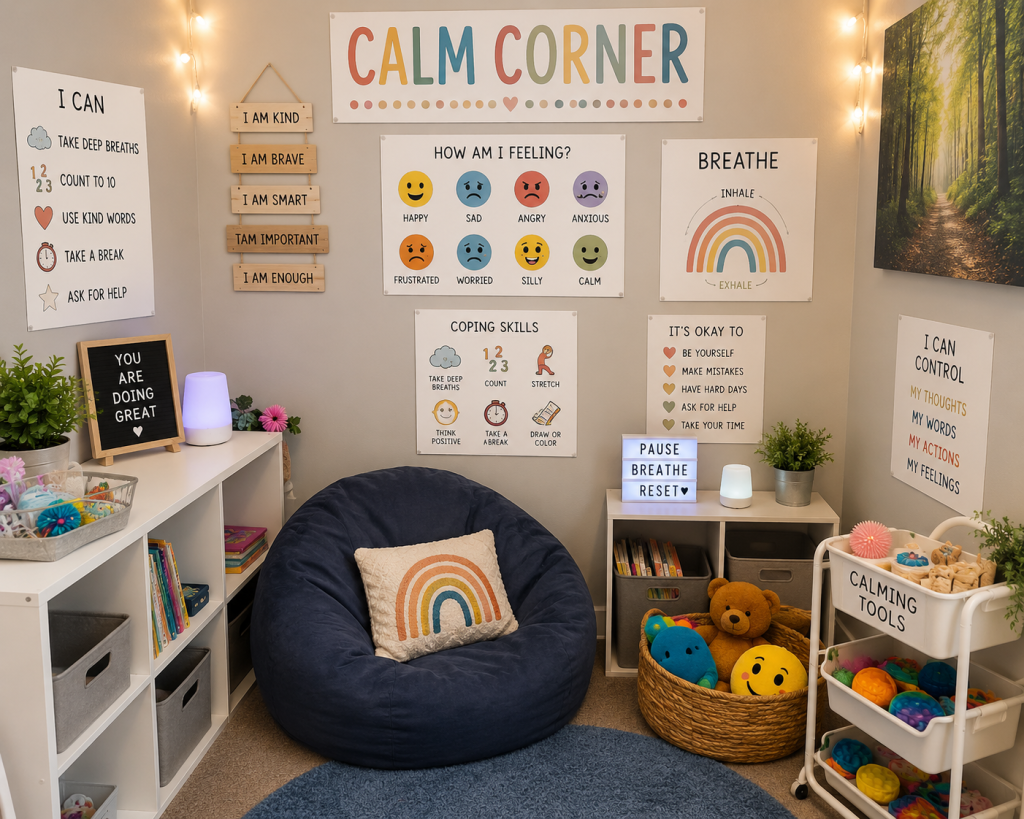
Teaching coping skills doesn’t have to involve worksheets alone. Adding fun, hands-on tools to your counseling sessions, classroom, therapy office, or home can help children practice calming strategies, identify their emotions, and learn healthy ways to manage stress. Here are 10 of my favorite items that make teaching coping skills more engaging.
1. Bean Bag Chair

A comfortable place to sit encourages children to slow down, relax, and focus during counseling activities, mindfulness exercises, or breathing practice. Bean bag chairs are a little old school, as I had one, myself, back as a kid. But, they’re still great for help define a space to calm down, feel comfortable, and self-regulate.
2. Pop-It Fidget Toys
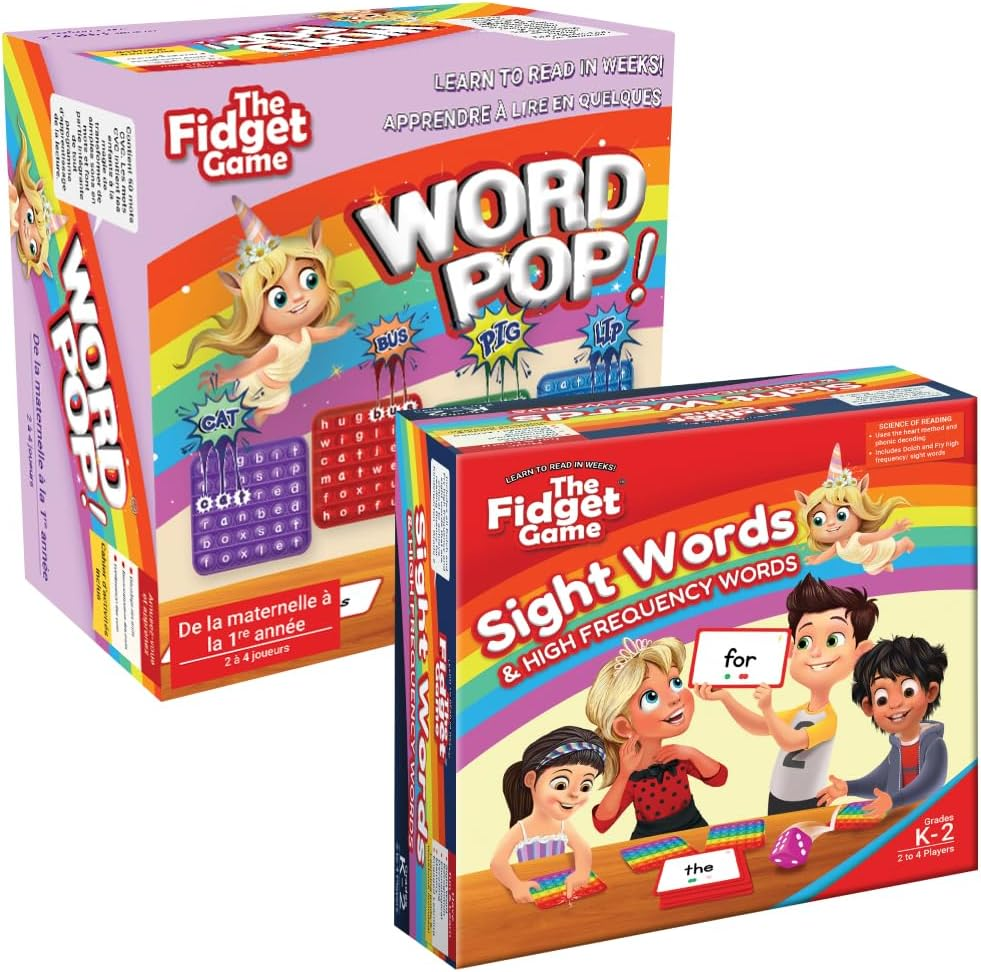
These colorful sensory toys help keep little hands busy while promoting focus and self-regulation. They’re great during discussions about emotions or while practicing calming techniques.
3. Stress Balls or Squishy Toys
Squeezing a stress ball provides a healthy physical outlet for frustration, anxiety, or nervous energy and can help children release tension.
4. Hoberman Breathing Sphere
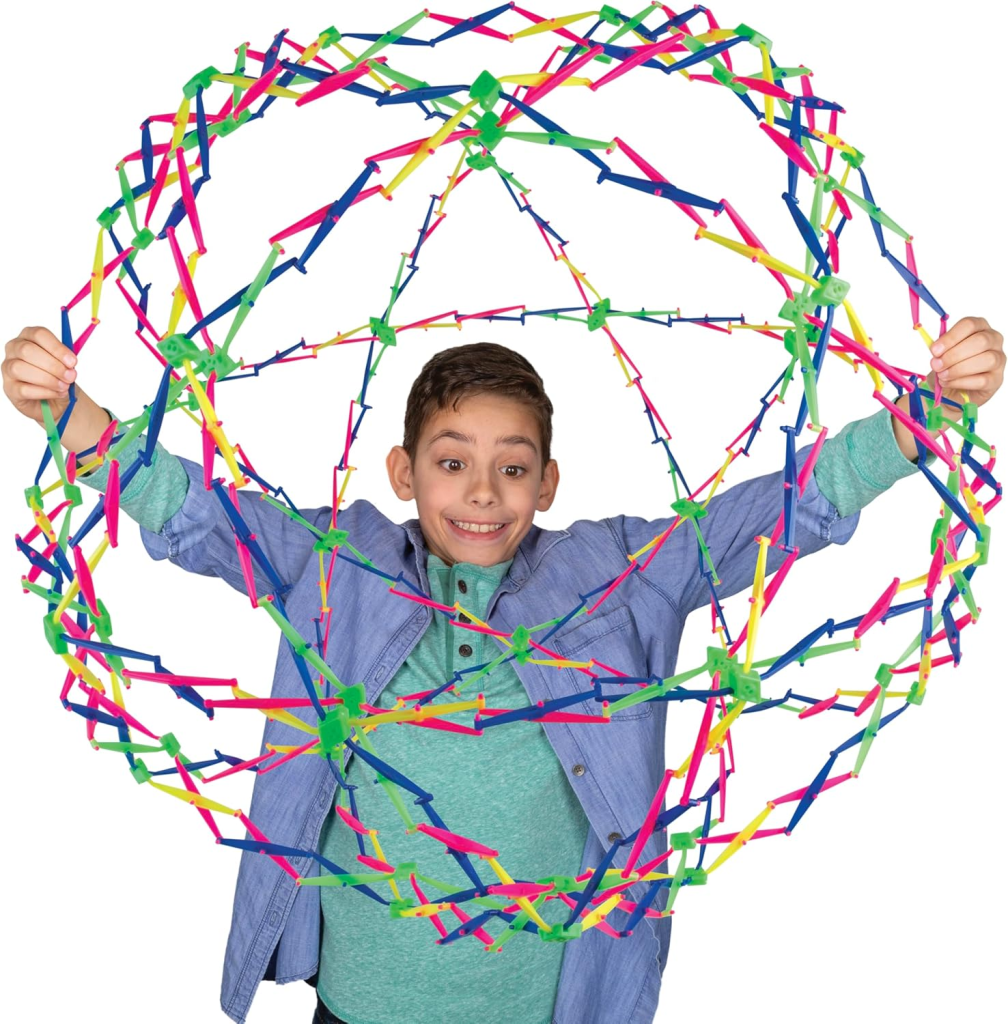
One of the best visual tools for teaching deep breathing. Children simply expand the ball as they inhale and contract it as they exhale, making breathing exercises easy and fun to follow. The Breathing Sphere is definitely one of those coping skill tools that is disguised as a toy. Kids will want to come to your office or hang in the “calm corner” if you have one of these. They come in several sizes, but I’m always of the mindset, bigger is…more fun!
5. Kinetic Sand or Therapy Putty
Playing with sensory materials can have a calming effect while helping children stay present and regulate overwhelming emotions.
6. Mindfulness Coloring Pages
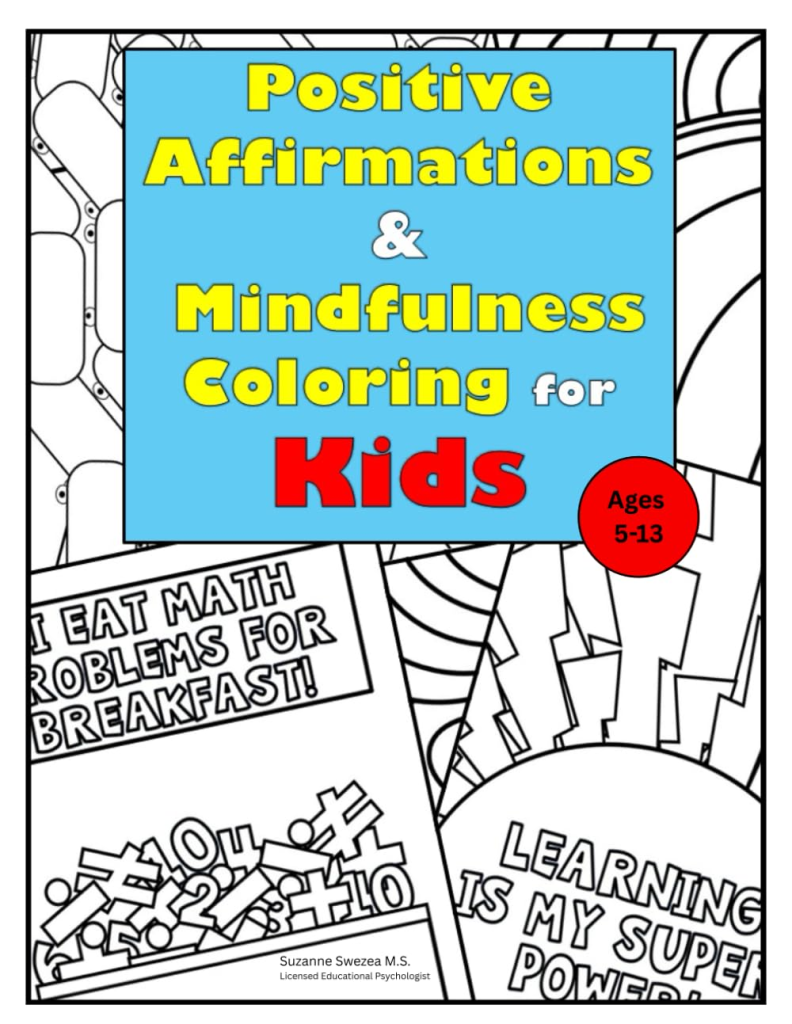
Coloring encourages children to slow down, focus on the present moment, and relax. Positive affirmation coloring pages also reinforce healthy self-talk and confidence. This Mindfulness coloring book has positive school-focused affirmations, and images good for children ages 6- 12…perfect for kids!
7. Feelings Cards or an Emotion Wheel
Helping children identify and label their emotions is the first step toward managing them. These visual tools make discussing feelings easier and more engaging.
8. Tangle Fidget Toy
The repetitive twisting motion can reduce anxiety, improve concentration, and provide sensory input during counseling sessions or classroom activities.
9. Simple Puzzles or Brain Teasers
Puzzles encourage problem-solving, flexible thinking, and perseverance while redirecting attention away from stressful thoughts.
10. Children’s Books About Emotions and Coping Skills
Stories are a wonderful way to teach emotional awareness and healthy coping strategies. Reading about characters who experience big feelings helps children recognize that everyone has emotions and can learn positive ways to manage them.
Social Stories Coloring Books for Emotional Regulation


Help your students learn about emotions and strategies for controlling emotions with these Social Story Coloring Books. The goal of this social story to share information in a way that makes sense to children in order to help them understand their own experiences. Children have a range of feelings and emotions during the school day. Some have to learn skills for managing their emotions, so that they can avoid having behaviors, such as aggression, yelling, crying, or eloping at school. Just click on the pictures to learn more about each book!
This story is in first person, which encourages the development of empathy and understanding.
The books are great for teachers, school psychologists, and counselors of preschool through 5th grade students and/or students with disabilities who are working on learning a variety of social skills.
If you liked these activities and would like to save money by purchasing them in a Bundle, check out the 20-Week, Curriculum for Counseling students for Coping Skills.

For over 300 Games, Worksheets, and Fun and Easy School-Based Counseling Activities, Visit the Counseling Fanny Pack of Fun Store in TpT TODAY!
