

Anger and frustration are part of everyday life for elementary students—but choosing how to respond to those emotions is a skill that must be explicitly taught. As school counselors and psychologists, we know that many behavior challenges stem not from defiance, but from underdeveloped emotional regulation and decision-making skills.
When students are overwhelmed, they need clear language, repeated practice, and engaging tools to help them pause, reflect, and choose appropriate behaviors. Counseling games and interactive activities provide a developmentally appropriate way to teach these skills in a safe, supportive environment.
Below are practical ways to support students in making better behavior choices when emotions run high—using counseling activities designed for my own counseling students in order to build insight, self-control, and accountability.
Understanding the Roots of Frustration: From Emotion to Behavior
Before students can change their behavior, they need to understand the connection between feelings and actions. Many children can identify that they feel “mad” or “frustrated,” but they struggle to recognize how those emotions influence their choices.
Using engaging lessons through videos and games to teach emotions, might be the best first step. When children can name their emotions, they can identify when they are experiencing emotions that might lead to behaviors that they will regret later, leading to more negative emotions and low self-esteem.
Here is a fun Video-Game that I like to use with both small groups and whole-class lessons on learning about the different emotions:
To get the BINGO Cards CLICK HERE!
Social Skills Stories can Help Teach Emotions Too!

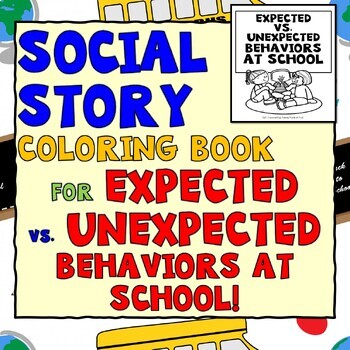
Using structured tools like the Social Skills Story Coloring Books, Expected vs. Unexpected Behaviors or Understanding and Controlling BIG EMOTIONS allows students to slow down and reflect. Through relatable scenarios and visual supports, students can explore common school-based frustrations and discuss multiple ways those situations could be handled. Coloring adds a calming component, making it especially effective counseling activity for students who shut down during verbal discussions.
Making Behavior Choices Concrete with Interactive Games

Abstract discussions about “appropriate behavior” often don’t stick—students learn best when they can experience the decision-making process. Interactive counseling games help transform vague expectations into concrete, memorable lessons.
The Appropriate vs. Inappropriate Behaviors Beach Ball & Card Deck Game (Grades 4–11) encourages students to think critically about behavior choices in a relaxed, non-judgmental setting. As students respond to prompts, counselors can guide reflection with questions like:
- What could you do instead?
- How might this choice affect others?
- What would help you pause next time?
This format is ideal for small groups and upper elementary or middle school students who benefit from peer discussion and perspective-taking.
Reinforcing Expected Behaviors Across Ages with the Counseling Games Bundle
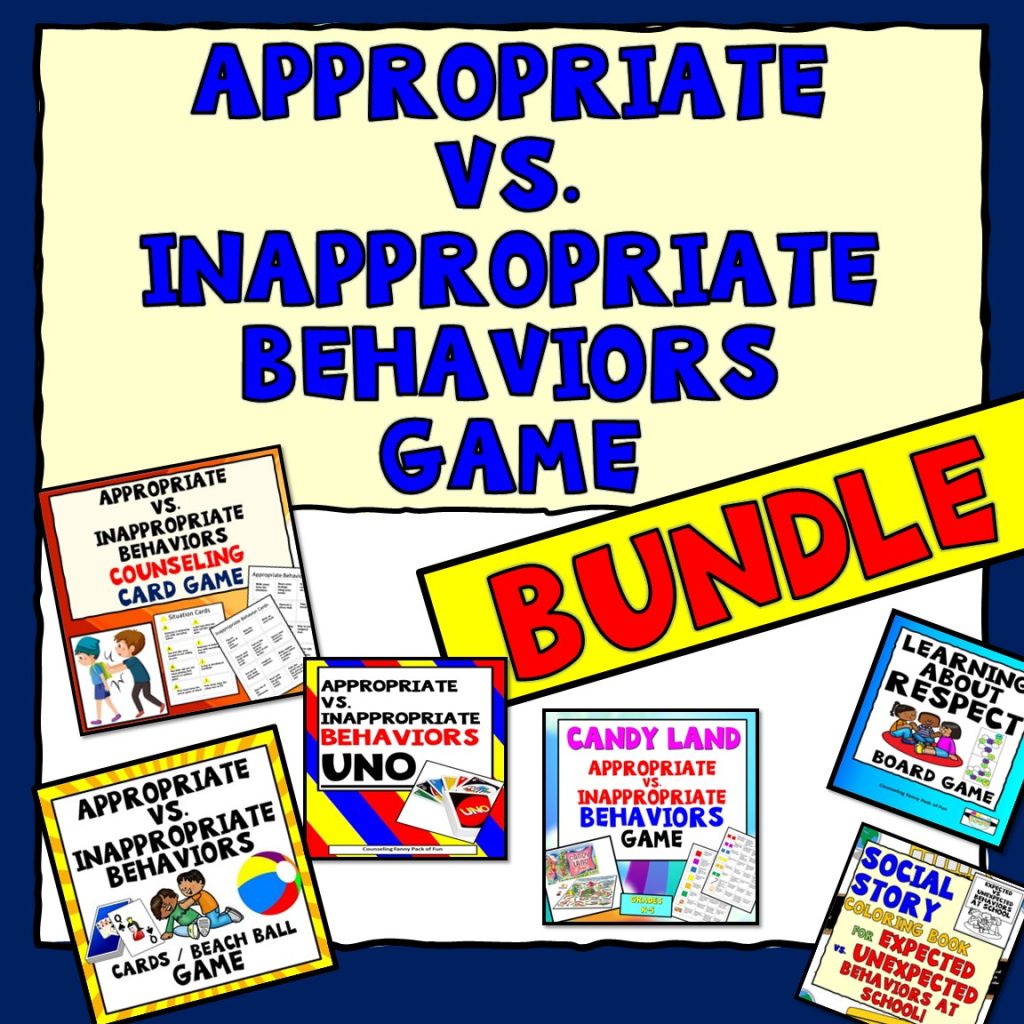
One of the biggest challenges for school-based providers is meeting the needs of students across multiple grade levels…and avoiding the redundancy of playing the same few games over and over again. Kids like novelty, and they like when boring or uncomfortable topics are made fun. The Appropriate vs. Inappropriate BEHAVIORS Counseling Games Bundle (Grades 1–8) offers flexibility and differentiation, allowing counselors to tailor sessions based on developmental readiness.
Younger students may focus on identifying behaviors, while older students can engage in deeper discussions about intent, consequences, and self-monitoring. Using consistent language across multiple games helps reinforce learning and supports generalization across settings.
This bundle works particularly well for ongoing social skills groups or tiered interventions.
Normalizing Behavior Discussions Through Familiar Games Like Candy Land
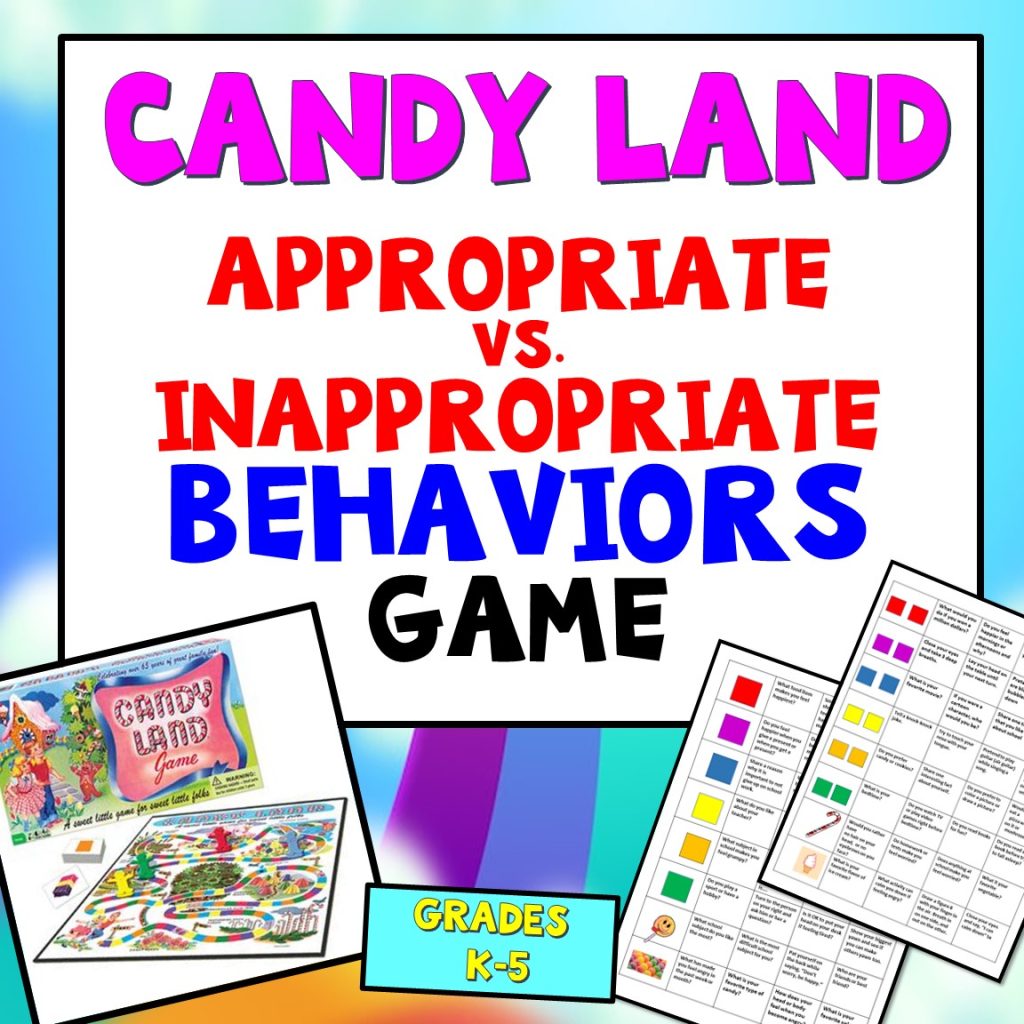
For some students, talking about behavior can feel threatening or uncomfortable. Using a familiar board game format lowers defenses and increases engagement.
The Appropriate vs. Inappropriate BEHAVIORS Candy Land Counseling Game turns behavior reflection into a playful, approachable experience. As students move through the game, they encounter scenarios that mirror real-life frustrations, allowing them to practice identifying appropriate responses in a low-stress environment.
Counselors can extend the learning by asking students to role-play alternative behaviors or connect game scenarios to recent classroom experiences.
Quick, Effective Practice with Card Games and UNO
Not every counseling moment allows for a full session. Short, engaging activities are essential for check-ins, lunch-bunch groups, or brief interventions.

The Appropriate vs. Inappropriate Behaviors UNO Counseling Game (Grades K–8) is perfect for reinforcing skills quickly and consistently. These games encourage repetition, which is critical for helping students internalize behavior expectations—especially when emotions are high.
They are also easy to use across multiple settings, making them ideal for collaboration with teachers and support staff.
Final Thoughts: Teaching Behavior Is Teaching Skills
When students act out during moments of anger or frustration, it’s rarely about willful misbehavior—it’s about missing skills. By using intentional, engaging counseling games and activities, school counselors and school psychologists can help students build the tools they need to pause, reflect, and make better choices.
Behavior change doesn’t happen through lectures or consequences alone. It happens through practice, connection, and meaningful learning experiences—the kind that feel safe, supportive, and even…FUN.
Visit the Counseling Fanny Pack of Fun store in TpT TODAY for more FUN and ENGAGING School-based counseling activities!
